

Magazine
Image
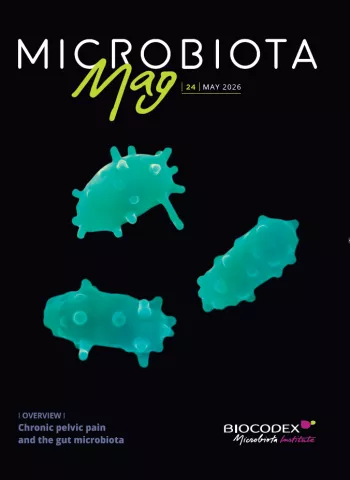
Microbiota 24 - March 2026
Dear readers,
When pain lingers: the microbiota and the gut–brain axis confront the enigma of chronic pelvic pain
Chronic pelvic pain remains one of the most complex and frustrating challenges in clinical practice. Often diffuse, persistent, and disproportionate to visible lesions, it affects patients across multiple specialties—from gynaecology to gastroenterology and urology—while frequently escaping organ-centred approaches. Endometriosis, irritable bowel syndrome, and bladder pain syndrome differ in diagnosis, yet share a common clinical reality: persistent pain that is difficult to relieve.
These conditions are increasingly understood as disorders of altered pain processing rather than isolated organ diseases. Peripheral and central sensitization, neural remodeling, lowered pain thresholds, and viscero-visceral cross-talk help explain why pain can persist, spread, and resist conventional treatments long after the initial trigger has subsided.
Within this neuro-immune framework, the gut microbiota has emerged as a key modulator of chronic pain. Through its interactions with immune pathways and sensory neurons, it can influence inflammation and nociceptive signalling. Evidence is now accumulating in IBS and, more recently, in endometriosis, pointing to shared mechanisms involving microbial dysbiosis, pelvic inflammation, and hormonal metabolism—and opening new perspectives for integrated, microbiota-targeted therapeutic strategies.
By exploring how microbes interact with neural pain pathways, this issue of Microbiota Mag invites a shift in perspective. In chronic pelvic pain, the gut may be far more than a bystander—and listening to the microbiota may help pave the way toward more coherent and effective patient care.
Enjoy your reading!
Lay public section
Find here your dedicated section
Created
24 April 2026
Updated
20 May 2026