



What foods promote a balanced microbiota?
We don’t always realize that the food we eat provides essential nourishment not only to our body, but to the many microorganisms (bacteria, viruses, fungi, parasites) in our gut as well.
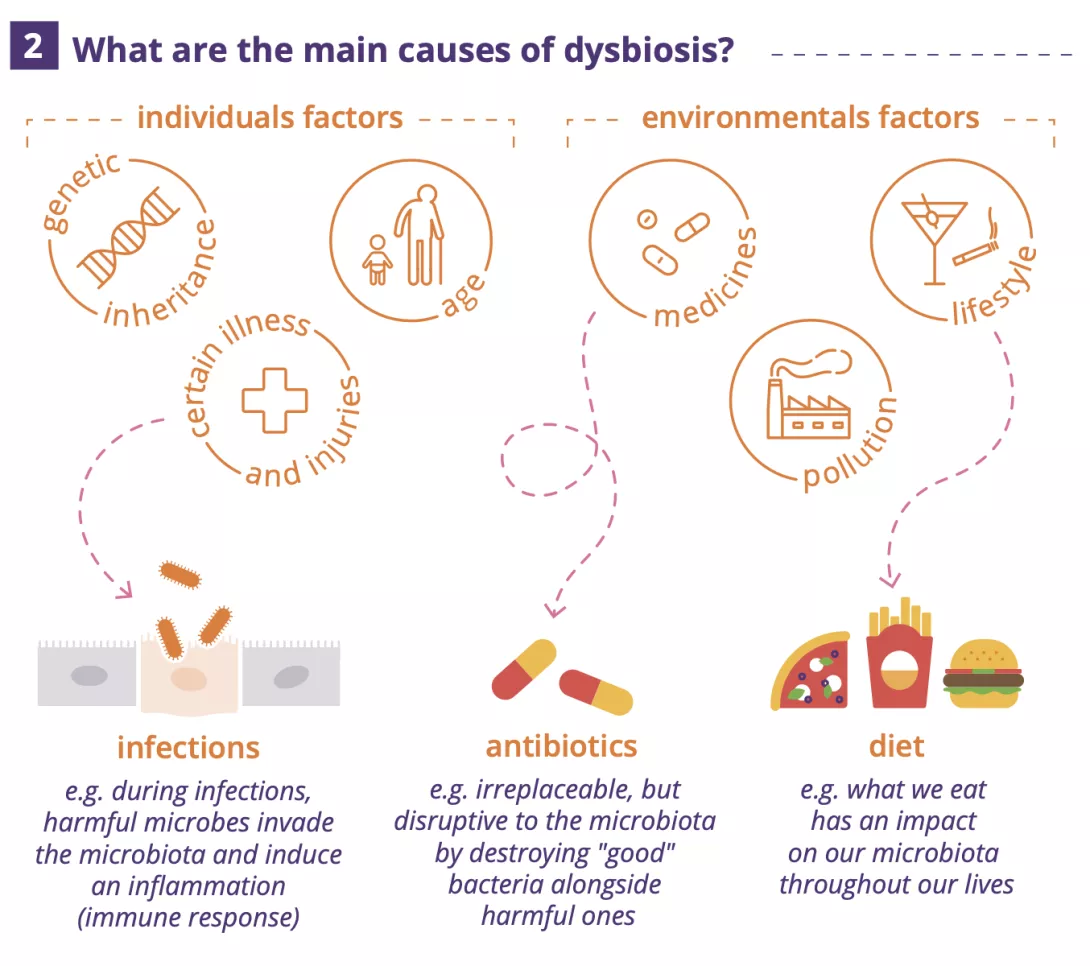
One direct consequence of this is that overeating and other dietary excesses also affect our gut microbiota, increasing the risk of creating an imbalance (also called dysbiosis).
Surprisingly, though, it is not only the gut microbiota that is affected by what we eat. The flora on our skin, in our lungs, and in our bladder also fare poorly on fast-food diets, whereas they thrive on diets rich in fruits and vegetables—just like our bodies.
Let’s dive right to the bottom of our plates and deep into our guts...
Healthcare professionals section
Find here your dedicated section

About this article

How our body processes the food we eat
Over the course of our lives, we consume around 60 tons of food. 1 To ensure proper digestion, this food takes a long trip through our digestive tract, which measures roughly 5 meters from mouth to anus. 2 The purpose of this trip is to break the food down into tiny pieces that can be absorbed by the body to provide it with all the necessary nutrients—the small building blocks that power our muscles, fuel our brain, maintain our bones, and much more.
To facilitate absorption, our digestive system is not only very long, but it also has a very large surface area, thanks to numerous folds (much like corrugated cardboard). Laid out flat on the ground, the surface area of the digestive tract’s walls would cover between 32 m2 (roughly half the size of a badminton court) 2 and 250-400 m2 (similar to that of a tennis court). 1
60 tons
In an average life time, around 60 tons of food pass through the human GI tract. 1
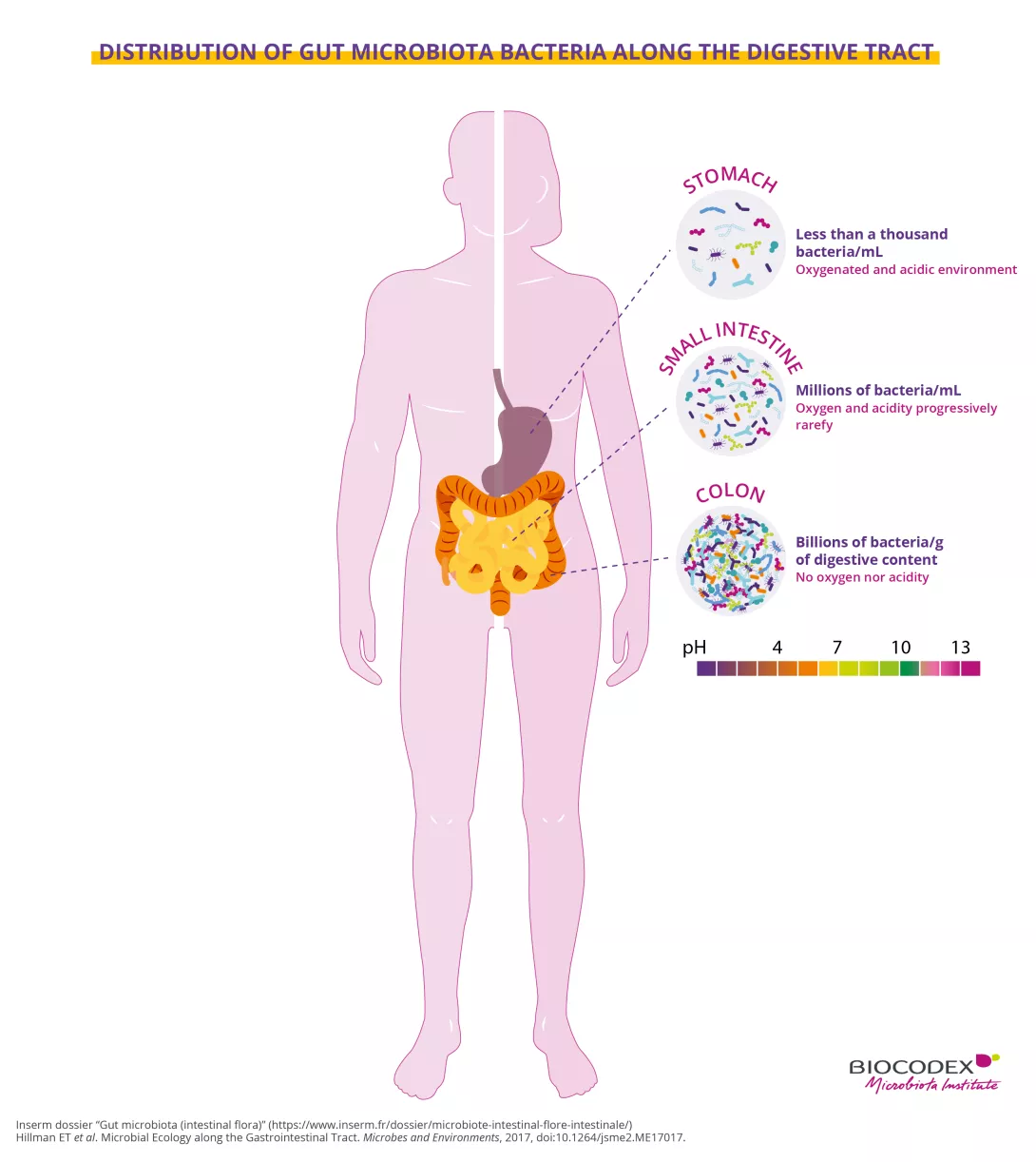
Throughout its journey, the food being digested encounters the trillions of gut flora microorganisms inhabiting the space between the lumen of the digestive tract and the protective mucus lining the digestive tract walls. The size and composition of the microbiota vary according to the parts of the digestive tract, with the number of microorganisms increasing from the stomach to the anus. There are estimated to be 3:
- fewer than 1,000 bacteria/mL in the stomach, an environment too acidic for many species;
- millions of bacteria/mL in the small intestine, an acid- and oxygen-rich environment where transit is rapid. Here, bacteria adapted to these conditions (e.g., Lactobacillaceae) predominate, growing rapidly and capable of attaching to the walls;
- billions of bacteria per gram of digestive contents in the colon, where bacteria capable of fermenting undigested fiber (e.g., Prevotellaceae) live in an oxygen-free environment.
These microorganisms help us to survive (protecting us from pathogens, regulating our immune system, etc.) 1, but also help us to digest our food. For example, we are unable to digest dietary fiber, which thus arrives intact in the colon. There it encounters bacteria which, unlike us, are able to digest it, i.e., to use it as a substrate for their own metabolism, and to convert it, in particular, into short-chain fatty acids.
Our gut flora also provides us with essential nutrients, such as vitamins B12 or K, for example. 1
The intestinal microbial community encompasses trillions of bacteria with an estimated biomass of 1.5 kg, a size that is similar to the liver, the largest organ in the body. 4

How do food and beverages enrich our microbiota?
Our food isn’t sterile, and that’s a good thing. When we bite into an apple, a tomato, or any other fresh fruit or vegetable, we enrich our gut microbiota with bacteria and other microorganisms. Thus, biting into an apple introduces microorganisms beneficial to our health (bacteria, viruses, fungi), which temporarily colonize and enrich our gut microbiota. 5
Fermented foods, a source of good bacteria
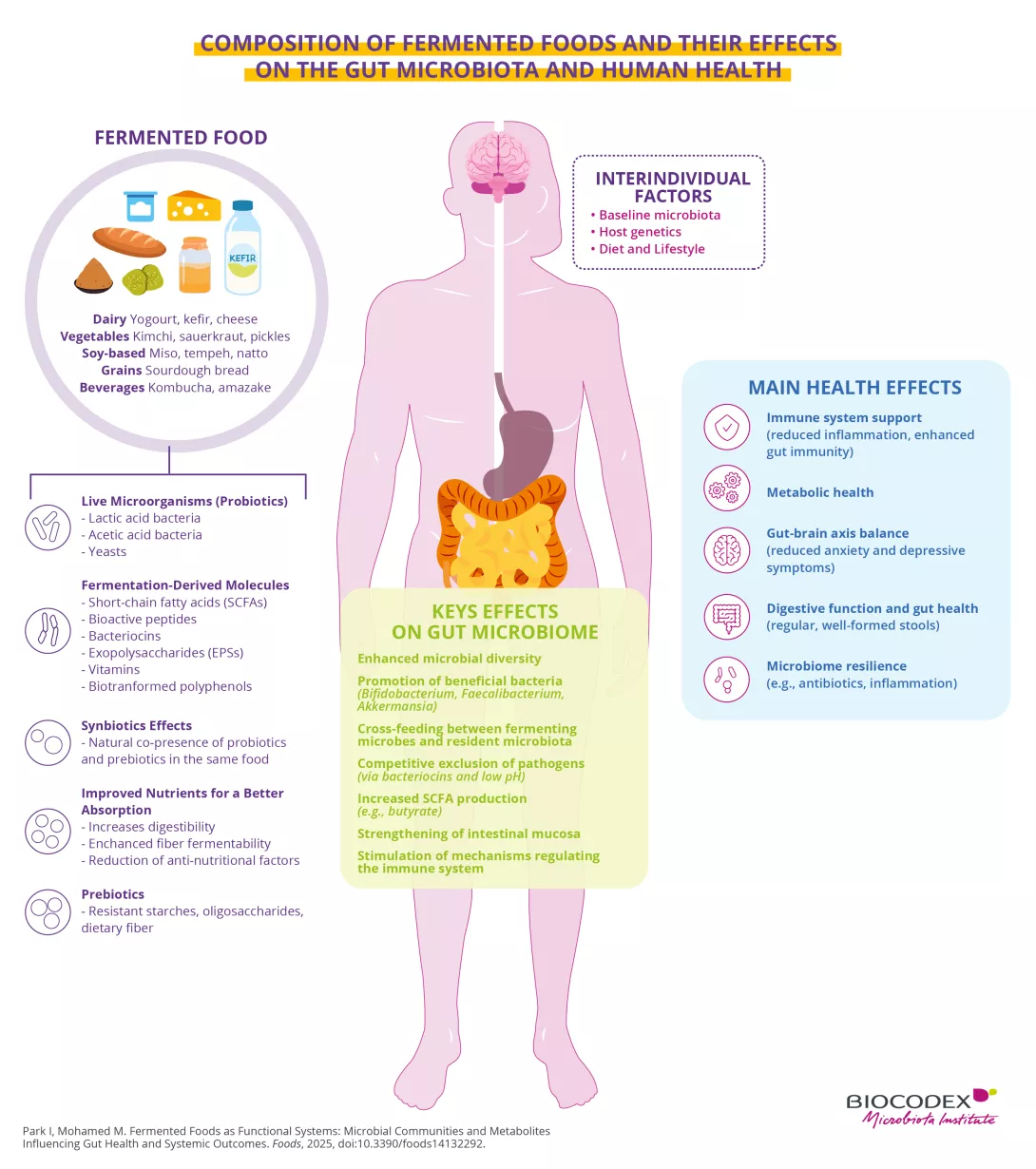
Fermented foods are another source of bacteria and yeast. These foods include cheese, yogurt, kefir, and other fermented milk products, as well as fermented vegetables like sauerkraut, to mention just a few. If the foods are neither cooked nor pasteurized, the bacteria and yeasts stay alive, and can alter the composition of our gut microbiota, either temporarily (increasing immediately after consumption and then gradually decreasing), or even long-term, if the food is consumed regularly. 6

Because they are alive, the bacteria produce a wide variety of metabolites also found in the fermented foods in our diet, including:
- organic acids (lactic acid in yogurt or pickles),
- bioactive peptides (bacteriocins in sauerkraut that inhibit competing pathogenic bacteria)
- and vitamins (vitamin K in nattō, i.e., Japanese fermented soybeans).
These bacterial metabolites can improve the functioning of our gut microbiota (strengthening the intestinal barrier, modulating inflammation, etc.), support our immune system, and provide health benefits for the host. 6,7
Fermented Foods
Bacteria:
- Lactobacillus
- Bifidobacterium
Key bacterial metabolites:
- lactic acid
- EPS
- peptides
Relevant health effects:
- improves lactose digestion
- strengthens integrity of intestinal barrier
Bacteria:
- L. plantarum,
- Leuconostoc
Key bacterial metabolites:
-
(sidenote:
SCFAs
Short Chain Fatty Acids are a source of energy (fuel) for the cells of the individual. They interact with the immune system and are involved in the communication between the intestine and the brain.
Sources:
Silva YP, Bernardi A, Frozza RL. The Role of Short-Chain Fatty Acids From Gut Microbiota in Gut-Brain Communication. Front Endocrinol (Lausanne). 2020;11:25. ) - bioactive peptides
- vitamins
Relevant health effects:
- anti-inflammatory
- modulates immunity
- improves fiber digestion
Bacteria:
- Lactococcus
- Saccharomyces
- Acetobacter
Key bacterial metabolites:
-
(sidenote:
SCFAs
Short Chain Fatty Acids are a source of energy (fuel) for the cells of the individual. They interact with the immune system and are involved in the communication between the intestine and the brain.
Sources:
Silva YP, Bernardi A, Frozza RL. The Role of Short-Chain Fatty Acids From Gut Microbiota in Gut-Brain Communication. Front Endocrinol (Lausanne). 2020;11:25. ) - EPS
- ethanol
- peptides
Relevant health effects:
- boosts immunity
- modulates the microbiota
- supports digestion
Bacteria:
- Leuconostoc
- Lactobacillus
Key bacterial metabolites:
-
(sidenote:
SCFAs
Short Chain Fatty Acids are a source of energy (fuel) for the cells of the individual. They interact with the immune system and are involved in the communication between the intestine and the brain.
Sources:
Silva YP, Bernardi A, Frozza RL. The Role of Short-Chain Fatty Acids From Gut Microbiota in Gut-Brain Communication. Front Endocrinol (Lausanne). 2020;11:25. ) - bacteriocins
- enzymes
Relevant health effects:
- Inhibits pathogens
- promotes intestinal motility
Bacteria:
- Aspergillus oryzae
- Tetragenococcus
Key bacterial metabolites:
- isoflavones
- peptides
- enzymes
Relevant health effects:
- antioxidant properties
- supports cardiovascular health
Bacteria:
- Rhizopus oligosporus
Key bacterial metabolites:
- isoflavones
- antioxidants
- peptides
Relevant health effects:
- anti-inflammatory
- antioxidant
- supports gut microbiota
Bacteria:
- Bacillus subtilis
Key bacterial metabolites:
- polyglutamic acid
- nattokinase
- vitamin K2
Relevant health effects:
- cardiovascular benefits
- modulates gut flora
Bacteria:
- Lactobacillus
- Pediococcus
- Enterococcus
Key bacterial metabolites:
- lactic acid
- organic acids
Relevant health effects:
- improves digestion
- antimicrobial activity
Bacteria:
- Lactobacillus
- Bifidobacterium
Key bacterial metabolites:
- isoflavones
-
(sidenote:
SCFAs
Short Chain Fatty Acids are a source of energy (fuel) for the cells of the individual. They interact with the immune system and are involved in the communication between the intestine and the brain.
Sources:
Silva YP, Bernardi A, Frozza RL. The Role of Short-Chain Fatty Acids From Gut Microbiota in Gut-Brain Communication. Front Endocrinol (Lausanne). 2020;11:25. ) - peptides
Relevant health effects:
- improves lipid metabolism
- balances gut microbiota
Bacteria:
- Brettanomyces
- Zygosaccharomyces
- Lachancea
- Starmerella
- Saccharomyces
- Komagataeibacter (formerly Gluconacetobacter)
- Acetobacter
- Gluconobacter
- Lactobacillus
Key bacterial metabolites:
- acids
- ethanol
- glucuronic acid
- polyphenols
Relevant health effects:
- detoxification
- antioxidant
- antimicrobial
- modulates gut microbiota
Water also enriches our microbiota
Let’s not forget another major dietary source of microorganisms: what we drink. Bottled, tap, filtered, or well water: not all water is the same when it comes to chemical, mineral, and microbial composition, or the effect on our microbiota.
Do you mainly drink well water, which naturally contains more diverse microbial communities? If you do, your gut microbiota is likely to be more diverse than it would be if you drank tap, filtered, or bottled water. 8

Fiber to nourish our gut microbiota
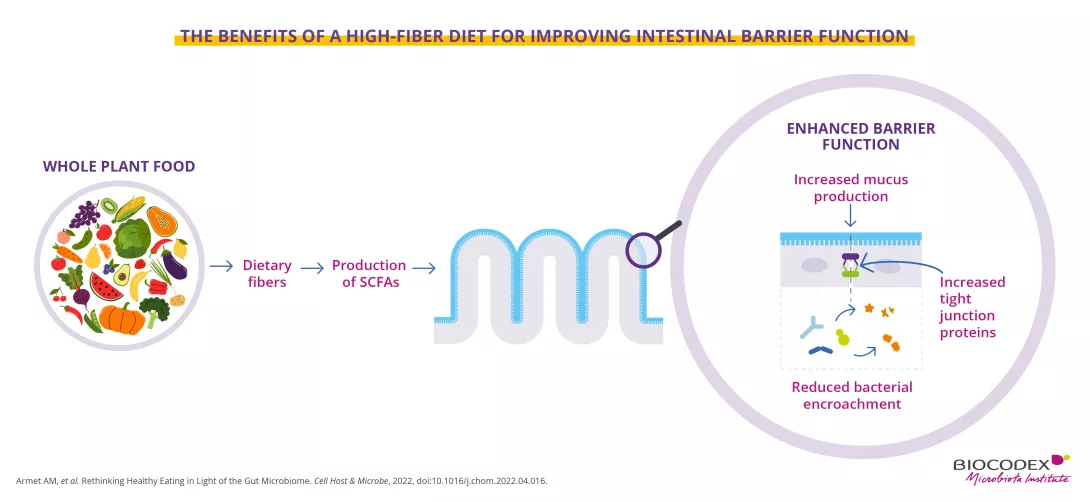
But food isn’t just a source of bacteria. It’s also a source of nutrients that feed these microorganisms. Foremost among these nutrients are the famous dietary fibers—carbohydrates our body can’t digest, but which our gut microbiota relishes. Resistant to digestion, dietary fibers eventually reach our large intestine, where they feed our bacteria. They come in a wide variety 9 and include :
- fermentable dietary fibers such as inulin (found in chicory or Jerusalem artichokes),
- pectin (apples, lemon peel),
- and galactooligosaccharides (breast milk, legumes),
- as well as non-fermentable fibers, such as resistant starch in grains.
The fermentation of fermentable fibers by bacteria produces metabolites, including short-chain fatty acids (SCFAs) such as butyrate, which has remarkable properties:
- beneficial effects on the microbial community (e.g., inhibition of pathogens);
- improvement of gut barrier function (stimulation of proteins that help tighten the cells of the gut wall, thereby reducing gut permeability; stimulation of protective mucus production);
- and direct metabolic (e.g., on satiety) and immunological effects on the host. 10
Probiotics, prebiotics, and postbiotics to rebalance the microbiota
If your diet is no longer adequate or rebalancing is necessary (e.g., following antibiotic treatment), your healthcare professional may give your microbiota a little boost by prescribing:
- probiotic capsules containing live microorganisms beneficial to your health. Probiotics have different modes of action depending on the strain, and no specific beneficial effect can be generalized from one strain to another.
- and/or prebiotics, which specifically “feed” certain beneficial microorganisms in the gut microbiota. Prebiotics are equivalent to dietary fibers.
- and/or postbiotics, which include the beneficial small molecules produced by probiotics (such as SCFAs), as well as dead probiotics and their fragments.

How does diet shape the gut microbiota throughout life?
Since our diet also nourishes our gut microbiota, it plays a key role in gut microbiota composition. 1,11 The more you feed bacteria the foods they like and know how to make use of, the more they proliferate at the expense of other microorganisms. There may also be cooperative relationships between bacteria, with the molecules produced by some serving as food for others. 1
Much like a fingerprint, each individual harbors within their gut a specific combination of a few hundred bacterial species from among the approximately 3,000 species identified in the human digestive system to date. 12,13
This microbiota is the result of years of development and rebalancing, beginning at birth, in which diet plays an essential role:
- breastfed infants develop a wide range of Bifidobacterium spp. strains beneficial to their digestion and health,
- whereas infants fed formula have a different, more diverse flora,
- and undernourished infants have an immature, imbalanced (dysbiotic) gut microbiota that harbors more pathogens. 1,12,13
How is this possible? Breast milk, the gold standard for infant nutrition, contains not only microorganisms beneficial to the child’s health but also—and most importantly—prebiotics. These prebiotics, known as oligosaccharides, aren’t digested by the baby, but instead nourish and promote the growth of beneficial bifidobacteria. 13,14 They thus shape the baby’s gut microbiota, with lifelong implications for health (immunity, etc.). 14

A different gut microbiota at every stage of life
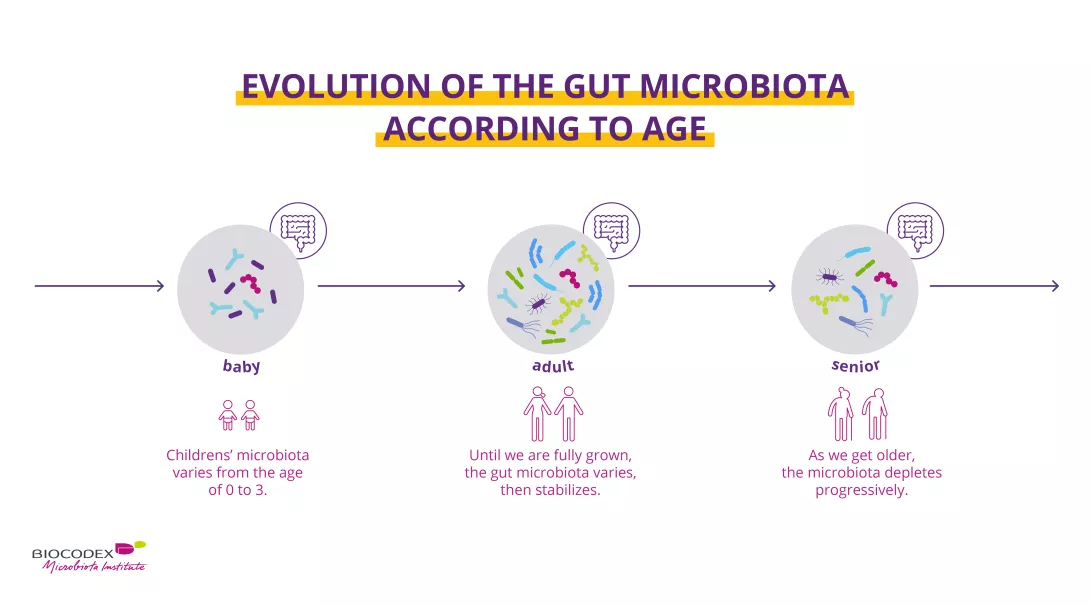
The microbiota continues to develop during early childhood.
- Between 4 months and 1 year of age, dietary diversification goes hand in hand with the arrival and establishment—or otherwise—of new microorganisms, and the decrease of others. African children who consume diets rich in fiber and starch have a more diverse microbiota which produces beneficial fatty acids, whereas Western diets low in fiber reduce diversity and levels of these protective fatty acids. 1
- Between the ages of 1 and 3, the composition of this community continues to diversify.
- By ages 3 to 5, a child’s gut microbiota isn’t yet fully comparable to that of an adult, but begins to resemble it closely. 12,15
- In adulthood, our gut microbiota is diverse and is generally dominated by Firmicutes and Bacteroidetes.
- Starting at age 70, gut microbiota composition can be affected by biological changes (e.g., poorer digestion), as well as changes in dietary habits, which are often less diverse. The result is a decline in gut microbiota diversity, including a decrease in bacteria such as the beneficial Bifidobacterium spp. 12
Skin, lungs, and vagina also influenced by diet
However, it would be wrong to think that our diet only affects our gut microbiota. Through the gut flora, it may influence other microbiomes as well. Take, for example, our skin microbiota, with various common skin conditions, such as acne, atopic dermatitis, psoriasis, and rosacea, having been linked to gut dysbiosis. 16,17
In the case of acne 17,18:
- a diet high in sugar, common among adolescents in developed countries, may lead to an imbalance in the gut flora;
- disrupted gut bacteria may produce molecules capable of entering the bloodstream, reaching the skin, and altering various skin functions (inflammation, cell proliferation, lipid metabolism, etc.), thereby indirectly causing dysbiosis of our skin microbiota;
- this skin microbiota imbalance may result in an overproduction of sebum, oil, and skin cells, thereby promoting the development of acne.
This appears to be a two-way process, with acne in turn affecting the composition of the gut microbiota. This may result in a vicious cycle. 18 Thus, the gut and the skin are closely linked via a communication channel known as the gut-skin axis. 17
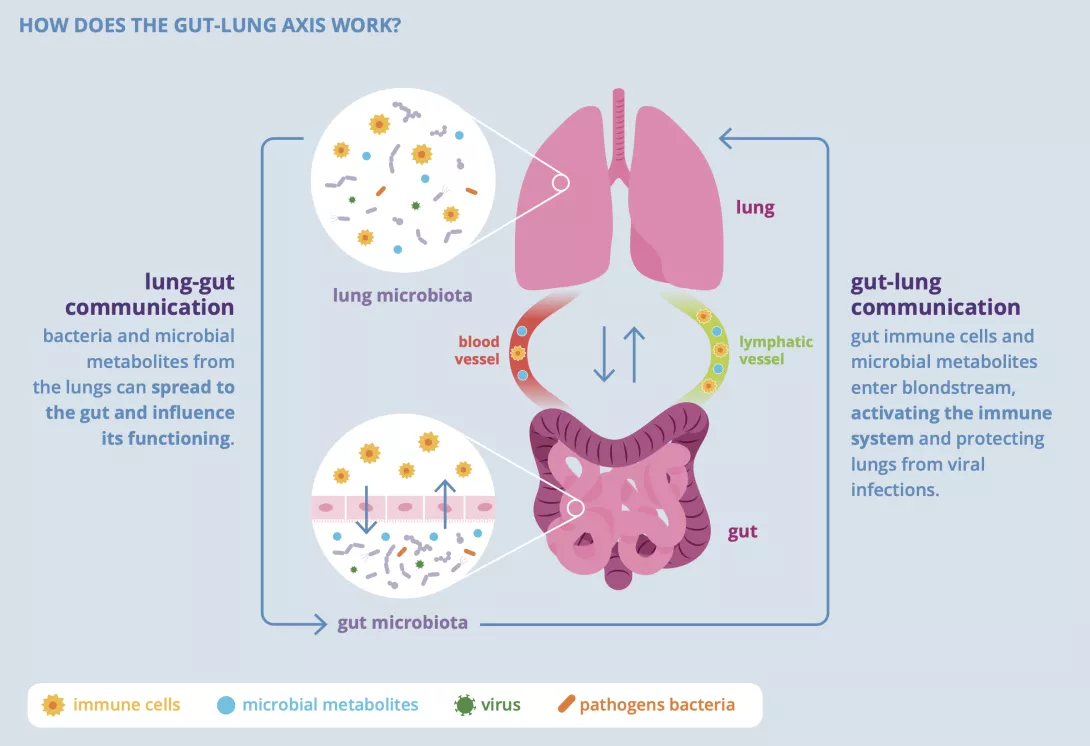
The same is true of the lung microbiota, which is part of a two-way gut-lung axis:
- the gut microbiota may contribute to lung diseases, with gut dysbiosis often going hand in hand with winter respiratory infections 19 or asthma 20;
- conversely, lung conditions may influence the composition of the gut microbiota. 19
Diet may also influence the urinary microbiota, with gut dysbiosis potentially increasing susceptibility to urinary tract infections, although some findings in this area appear contradictory. 21
The same is true for the vaginal microbiota: reduced consumption of alcohol and animal proteins, and a higher intake of linolenic acid—typical of plant-based foods—can have a beneficial impact on the vaginal environment by maintaining a microbiota where protective Lactobacilli predominate. 22
In both these cases, the interactions between microbiota are most likely linked to the proximity of the anus (gut microbiota), the vaginal opening (vaginal microbiota), and the urethral opening (urinary microbiota), such that bacteria of intestinal origin have little distance to travel to colonize the vagina or bladder.
Which nutrients promote a balanced gut microbiota?
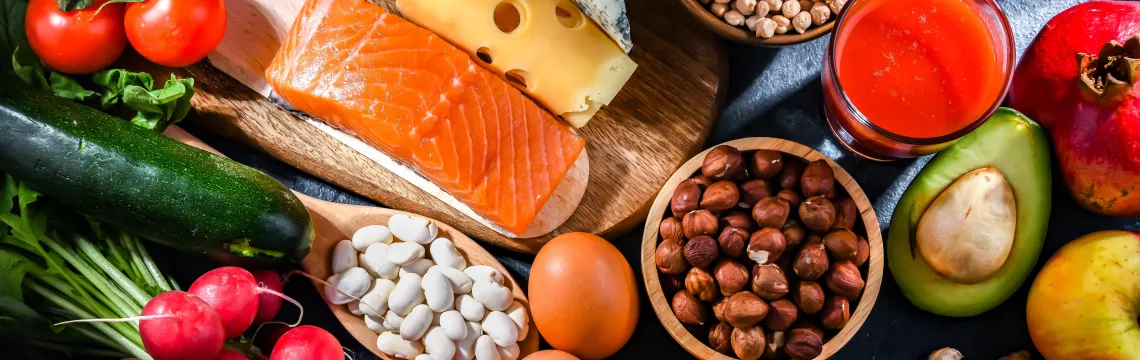
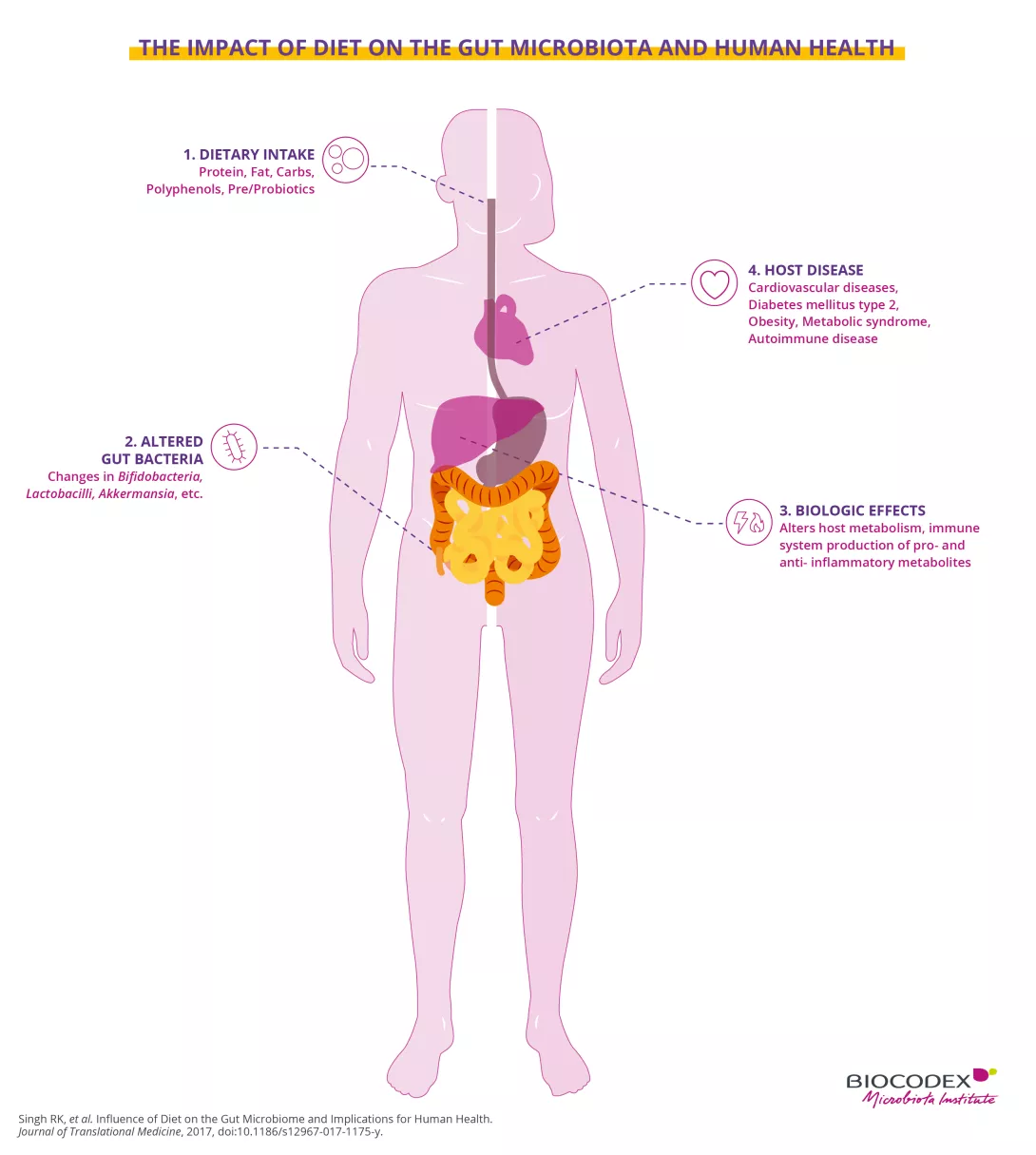
Thus, diet is clearly one of the most powerful levers for changing the composition and activity of the gut microbiota. Broadly speaking, a plant-based diet rich in fiber promotes protective bacteria, whereas a diet high in sugars, animal proteins, and saturated fats leads to a more inflammatory profile. 16,23,24
Nutrients
Main effect on microbiota:
- beneficial bacteria (Bifidobacterium, Lactobacillus)
- protective short-chain fatty acids (SCFAs)
Rich food sources:
- legumes, whole grains, fruits, vegetables, breast milk, yogurt, and cheese
- examples of fibers and sources: inulin (Jerusalem artichoke, chicory), GOS (breast milk, fermented dairy products, lentils, etc.), FOS (leeks, chicory, unripe bananas, asparagus)
Main effect on microbiota:
- beneficial bacteria
- protective SCFAs, more anti‑inflammatory profile
Rich food sources:
- fatty fish, olive oil, nuts
Main effect on microbiota:
- putrefying bacteria
- harmful metabolites (ammonia, H₂S), more inflammatory profile
Rich food sources:
- red meat, processed meat, full-fat cheese
Main effect on microbiota:
- Firmicutes and pro‑inflammatory bacteria
- endotoxins
Rich food sources:
- fried foods, fast‑food, pastries, ultra-processed foods
GOS (galactooligosaccharides) are chains of galactose molecules.
FOS (fructooligosaccharides) are chains of fructose molecules.
Mediterranean diet: the gut microbiota’s friend
Therefore, a plant-based diet, or the famous Mediterranean diet (which prioritizes fruit, vegetables, seeds, legumes, fish, nuts, and olive oil, while limiting sugar and meat), are healthy choices.
Scientific research seems to confirm this: a study conducted over the course of a year examined the effects of a Mediterranean diet on older adults in the United Kingdom, France, the Netherlands, Italy, and Poland. The study found a change in their gut microbiota, with an increase in bacteria associated with reduced frailty, improved cognitive function, and lower inflammation. 25

Which beverages are beneficial to the gut microbiota?
When it comes to beverages, the polyphenols in wine (part of the Mediterranean diet) 26 and tea 27 are also associated with a more diverse and healthier microbiome.
On the other hand, having a taste for sugary drinks (especially if consumption exceeds two glasses per day) has serious consequences for the gut microbiota: regular consumption appears to deplete populations of various beneficial bacteria, such as Bacteroides pectinophilus. This bacteria feeds on pectin but can’t process the sugars in soda, and thus its population declines when sugary drinks are consumed. 28
23%
The percent decrease in mortality among women whose diet most closely resembles the Mediterranean diet compared to those whose diets are furthest from it. 29
Diseases linked to poor diet
As seen previously, the gut microbiota varies greatly from one person to another depending on age, lifestyle, diet, etc. These variations are normal and can help the body adapt to its environment. But at times, the gut flora undergoes profound changes, which can be the cause and/or consequence of health problems. 12,30
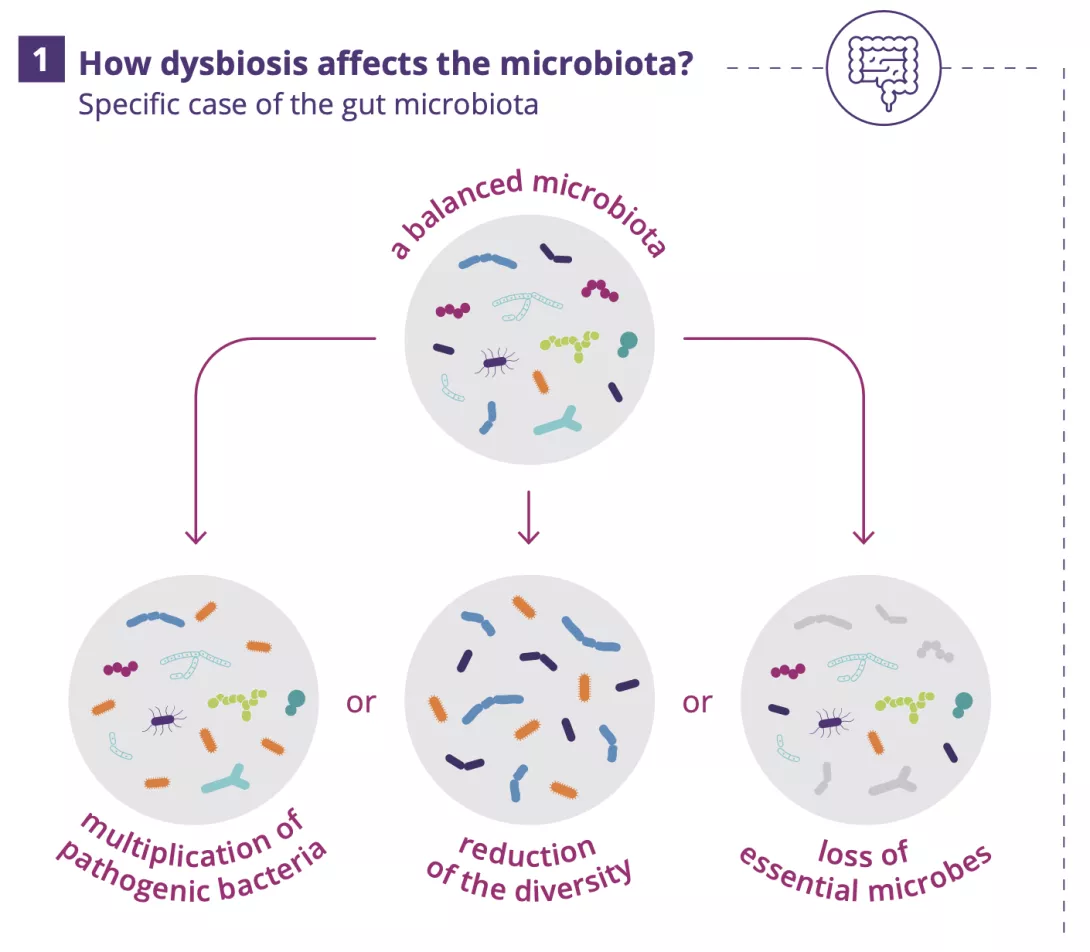
Various intestinal conditions 12,30 appear to be linked to dysbiosis:
- in irritable bowel syndrome (IBS), the loss of microbial diversity is thought to weaken the functions of the epithelial barrier and to alter the inflammatory response, which explains in part the symptoms of this condition.
- in inflammatory bowel disease (IBD), even though a direct causal link has not been proven, microbial imbalances (particularly a decrease in butyrate-producing bacteria) are thought to contribute to the severity of the disease.
- in celiac disease, dysbiosis appears to create an inflammatory environment and may prevent the intestinal mucus layer from protecting against the invasion of harmful antigens and pathogens.
- in colorectal cancer, a reduction in beneficial butyrate-producing bacteria and an increase in opportunistic pathogens may contribute to tumor development.
Gut dysbiosis is also implicated in numerous metabolic disorders: 12,30,31,32
- in the case of obesity, gut dysbiosis increases the body’s ability to extract energy from food, promoting fat storage and inflammation.
- in the case of type 2 diabetes, patients exhibit an increase in Betaproteobacteria (associated with elevated blood sugar) and a decrease in beneficial butyrate-producing bacteria such as Roseburia spp.
The gut-brain axis is also affected: 12
- in Alzheimer’s and Parkinson’s diseases, a dysbiosis (e.g., an increase in Escherichia/Shigella for Alzheimer’s) appears to be associated with a peripheral inflammatory state that may contribute to these conditions.
Adopting healthy habits for your microbiota
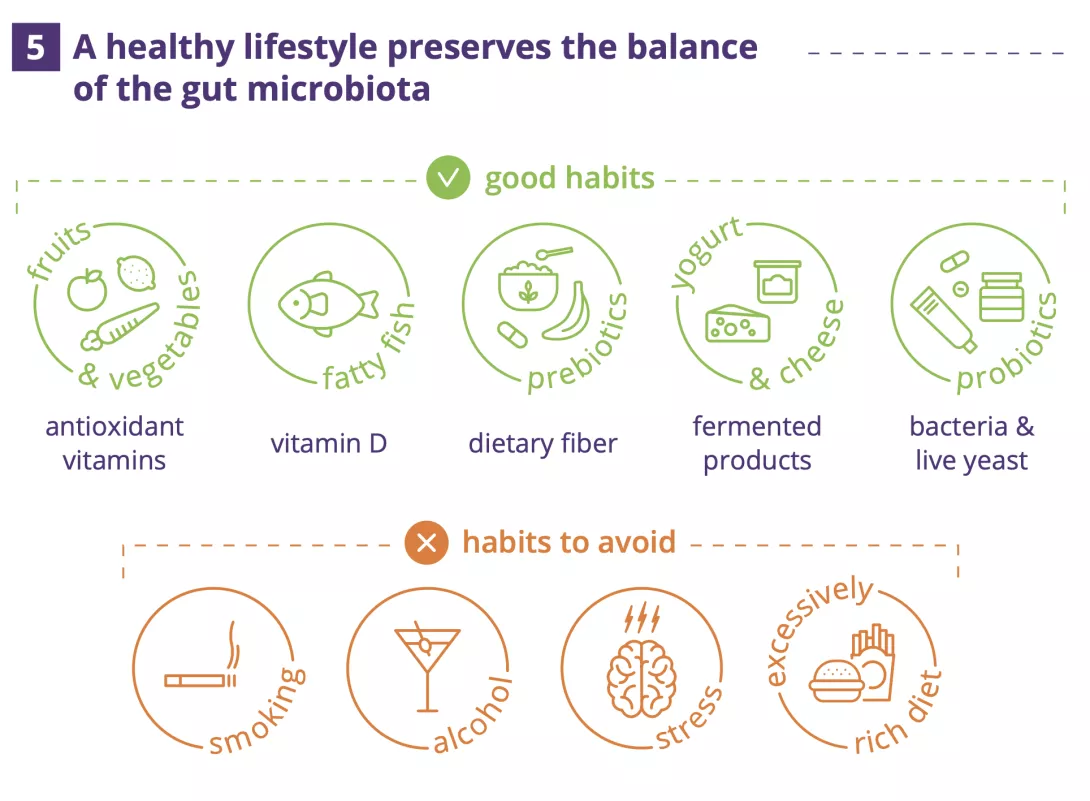
While diet is one of the most powerful ways to influence our gut microbiota, it is by no means the only way. Exercise, when practiced in moderation (at less than 50% of VO2max), facilitates intestinal transit, improves the quality of the mucosa lining the digestive tract’s walls, and boosts our gut microbiota by promoting the establishment of a rich and beneficial flora. 33
As with everything, perfect is the enemy of good: sixty minutes of high-intensity endurance training (at 70% of VO2max) can lead to abdominal pain, nausea, and diarrhea. 33 And in case you need further convincing, 30% to 50% of athletes suffer from digestive problems, which rises to 90% for those who take part in ultra-endurance events. 34

Lastly, good habits also require us to be mindful of our environment in the broadest sense of the term.
Or more precisely, to be mindful of the exposome—the set of environmental factors to which we’re exposed throughout our lives, and which influence our microbiota and our health.
Diet is certainly part of the exposome, but the exposome is far from limited to diet.
British epidemiologist Christopher P. Wild, who coined the concept, defines the exposome as a complex and dynamic representation of the exposures to which a person is subject throughout their life, incorporating the chemical, microbiological, physical, recreational, and pharmaceutical environments, as well as lifestyle, diet, and infections.
Spend as much time as possible in nature, let children play among plants and animals, avoid self-medication—especially antibiotics—and eliminate sources of microplastics: these are just some of the healthy habits that, together with a nutritious diet, will improve gut health and, by extension, general well-being.






In practice, what do people actually do for their microbiota?
However, from theory to practice, the gap remains wide. According to the 2025 Biocodex Microbiota Observatory, awareness may have improved, but “good” behaviors are struggling to keep pace: awareness of microbiota-linked health issues continues to grow, but the number of people taking action remained flat over the last year.
Specifically:
- a large majority (83%) report eating a balanced and varied diet to ward off a microbiota imbalance;
- around 3 in 4 respondents said they took part in physical activity (78%) and avoided smoking (77%) to limit the risk of a microbiota imbalance;
- around half of those surveyed reported consuming probiotics, and around 40% prebiotics, for the benefit of their microbiota;
- only a quarter of people received key information about the microbiota after being prescribed antibiotics, despite the impact of antibiotics on our gut flora.
How can awareness be raised among the public about the importance of a balanced microbiota for health?
Recognized as trusted authorities, healthcare professionals may hold the key to encouraging behavioral change.
Stay tuned for updates in our future editions of our Observatory!
71% 7 in 10 of those surveyed have already heard of the term "microbiota.
24% But only 1 in 5 of those surveyed claimed to know exactly what the term "microbiota" meant.
34% Only 1 in 3 people had ever heard of the term dysbiosis (another word for microbiota imbalance).
1. Thursby E, Juge N. Introduction to the human gut microbiota. Biochem J. 2017 May 16;474(11):1823-1836.
2. Helander HF, Fändriks L. Surface area of the digestive tract - revisited. Scand J Gastroenterol. 2014 Jun;49(6):681-9.
3. Hillman ET, Lu H, Yao T, Nakatsu CH. Microbial Ecology along the Gastrointestinal Tract. Microbes Environ. 2017 Dec 27;32(4):300-313.
4. Kovatcheva-Datchary, P., Tremaroli, V., Bäckhed, F. (2013). The Gut Microbiota. In: Rosenberg, E., DeLong, E.F., Lory, S., Stackebrandt, E., Thompson, F. (eds) The Prokaryotes. Springer, Berlin, Heidelberg.
5. Wassermann B, Müller H, Berg G. An Apple a Day: Which Bacteria Do We Eat With Organic and Conventional Apples? Front Microbiol. 2019 Jul 24;10:1629.
Wicaksono WA, Cernava T, Wassermann B, et al. The edible plant microbiome: evidence for the occurrence of fruit and vegetable bacteria in the human gut. Gut Microbes. 2023;15(2):2258565.
6. Leeuwendaal NK, Stanton C, O'Toole PW, Beresford TP. Fermented Foods, Health and the Gut Microbiome. Nutrients. 2022 Apr 6;14(7):1527.
7. Park I, Mannaa M. Fermented Foods as Functional Systems: Microbial Communities and Metabolites Influencing Gut Health and Systemic Outcomes. Foods. 2025 Jun 28;14(13):2292.
8. Vanhaecke T, Bretin O, Poirel M et al. Drinking Water Source and Intake Are Associated with Distinct Gut Microbiota Signatures in US and UK Populations. J Nutr. 2022 Jan 11;152(1):171-182.
9. Rinninella E, Cintoni M, Raoul P et al. Food Components and Dietary Habits: Keys for a Healthy Gut Microbiota Composition. Nutrients. 2019 Oct 7;11(10):2393.
10. Armet AM, Deehan EC, O'Sullivan AF, Mota JF, Field CJ, Prado CM, Lucey AJ, Walter J. Rethinking healthy eating in light of the gut microbiome. Cell Host Microbe. 2022 Jun 8;30(6):764-785.
11. Ross FC, Patangia D, Grimaud G et al. The interplay between diet and the gut microbiome: implications for health and disease. Nat Rev Microbiol. 2024 Nov;22(11):671-686.
12. Rinninella E, Raoul P, Cintoni M, Franceschi F, Miggiano GAD, Gasbarrini A, Mele MC. What is the Healthy Gut Microbiota Composition? A Changing Ecosystem across Age, Environment, Diet, and Diseases. Microorganisms. 2019 Jan 10;7(1):14.
13. Rosenberg E. Diversity of bacteria within the human gut and its contribution to the functional unity of holobionts. NPJ Biofilms Microbiomes. 2024 Nov 23;10(1):134.
Laforest-Lapointe I, Arrieta MC. Patterns of Early-Life Gut Microbial Colonization during Human Immune Development: An Ecological Perspective. Front Immunol. 2017 Jul 10;8:788.
14. Underwood MA, German JB, Lebrilla CB et al. Bifidobacterium longum subspecies infantis: champion colonizer of the infant gut. Pediatr Res. 2015 Jan;77(1-2):229-35.
15. Roswall J, Olsson LM, Kovatcheva-Datchary P et al., Developmental trajectory of the healthy human gut microbiota during the first 5 years of life, Cell Host Microbe; 2021 May 12;29(5):765-776.e3.
16. Singh RK, Chang HW, Yan D et al. Influence of diet on the gut microbiome and implications for human health. J Transl Med. 2017 Apr 8;15(1):73.
17. Szántó M, Dózsa A, Antal D, et al. Targeting the gut-skin axis-Probiotics as new tools for skin disorder management? Exp Dermatol. 2019 Nov;28(11):1210-1218.
18. Salem I, Ramser A, Isham N et al. The Gut Microbiome as a Major Regulator of the Gut-Skin Axis. Front Microbiol. 2018 Jul 10;9:1459.
19. Dumas A, Bernard L, Poquet Y, et al. The role of the lung microbiota and the gut-lung axis in respiratory infectious diseases. Cell Microbiol. 2018 Dec;20(12):e12966.
20. Abrahamsson TR, Jakobsson HE, Andersson AF, et al. Low gut microbiota diversity in early infancy precedes asthma at school age. Clin Exp Allergy. 2014 Jun;44(6):842-50.
21. Iqbal ZS, Halkjær SI, Ghathian KSA, et al. The Role of the Gut Microbiome in Urinary Tract Infections: A Narrative Review. Nutrients. 2024 Oct 24;16(21):3615.
22. Djusse ME, Prinelli F, Camboni T et al. Dietary habits and vaginal environment: can a beneficial impact be expected? Front Cell Infect Microbiol. 2025 Jun 18;15:1582283.
23. Yang Q, Liang Q, Balakrishnan B, Belobrajdic DP, Feng QJ, Zhang W. Role of Dietary Nutrients in the Modulation of Gut Microbiota: A Narrative Review. Nutrients. 2020 Jan 31;12(2):381.
24. Hills RD Jr, Pontefract BA, Mishcon HR, Black CA, Sutton SC, Theberge CR. Gut Microbiome: Profound Implications for Diet and Disease. Nutrients. 2019 Jul 16;11(7):1613.
25. Ghosh TS, Rampelli S, Jeffery IB et al. Mediterranean diet intervention alters the gut microbiome in older people reducing frailty and improving health status: the NU-AGE 1-year dietary intervention across five European countries. Gut. 2020 Jul;69(7):1218
26. Le Roy CI, Wells PM, Si J et al. Red Wine Consumption Associated With Increased Gut Microbiotaα-diversity in 3 Independent Cohorts. Gastroenterology. 2020 Jan;158(1):270-272.e2.
27. Bond T, Derbyshire E. Tea Compounds and the Gut Microbiome: Findings from Trials and Mechanistic Studies. Nutrients. 2019 Oct 3;11(10):2364.
28. Zhang Y, Luo K, Peters BA et al. Sugar-sweetened beverage intake, gut microbiota, circulating metabolites, and diabetes risk in Hispanic Community Health Study/Study of Latinos. Cell Metab. 2025 Mar 4;37(3):578-591.e4.
29. Ahmad S, Moorthy MV, Lee IM, et al. Mediterranean Diet Adherence and Risk of All-Cause Mortality in Women. JAMA Netw Open. 2024 May 1;7(5):e2414322.
30. Brown K, DeCoffe D, Molcan E, Gibson DL. Diet-induced dysbiosis of the intestinal microbiota and the effects on immunity and disease. Nutrients. 2012 Aug;4(8):1095-119.
31. Deehan EC, Mocanu V, Madsen KL. Effects of dietary fibre on metabolic health and obesity. Nat Rev Gastroenterol Hepatol. 2024 May;21(5):301-318.
32. Rastelli M, Knauf C, Cani PD. Gut Microbes and Health: A Focus on the Mechanisms Linking Microbes, Obesity, and Related Disorders. Obesity (Silver Spring). 2018 May;26(5):792-800.
33. Ribeiro FM, Petriz B, Marques G et al. Is There an Exercise-Intensity Threshold Capable of Avoiding the Leaky Gut? Front Nutr. 2021 Mar 8;8:627289.
34. Rousseau AS. Nutrition, santé et performance du sportif d’endurance / Nutrition, health and performance of endurance athletes. Cahiers de Nutrition et Diététique. 2022 eb ;57(1) : 78-94.


