

About the Institute
  • English
  • Français
  • Español
  • Portuguese
  • Polish

Breadcrumb

  1. Home
  2. Our marvelous microbiota
  3. Peanut allergy: microbiota makes a difference
  • Learn all about microbiota
    • The gut microbiota
    • The ENT microbiota
    • The pulmonary microbiota
    • The urinary microbiota
    • The skin microbiota
    • The vaginal microbiota
    • The exposome
  • Microbiota and related conditions
    • Digestive disorders
    • Women disorders
    • Metabolic disorders
    • Skin disorders
    • Pediatric disorders
    • Psychiatric disorders
    • Neurological disorders
    • Respiratory disorders
    • Urinary disorders
  • Act on your microbiota
    • Probiotics
    • Prebiotics
    • Diet
  • Publications
    • News
    • Thematic folders
    • Thematic pages
    • Microbiota Q & A
    • Patients stories
    • Experts' point of view
  • About the Institute
    • About us
    • International Microbiota Observatory
    • Microbiotalks
    • Press room
    • Partnerships

Healthcare professionals section

Find here your dedicated section
Biocodex logo
The power of your gut
Our marvelous microbiota
My microbiota as a woman

Breadcrumb

  1. Home
  2. Our marvelous microbiota
  3. Peanut allergy: microbiota makes a difference
Our marvelous microbiota

Peanut allergy: microbiota makes a difference

Allergies
The gut microbiota

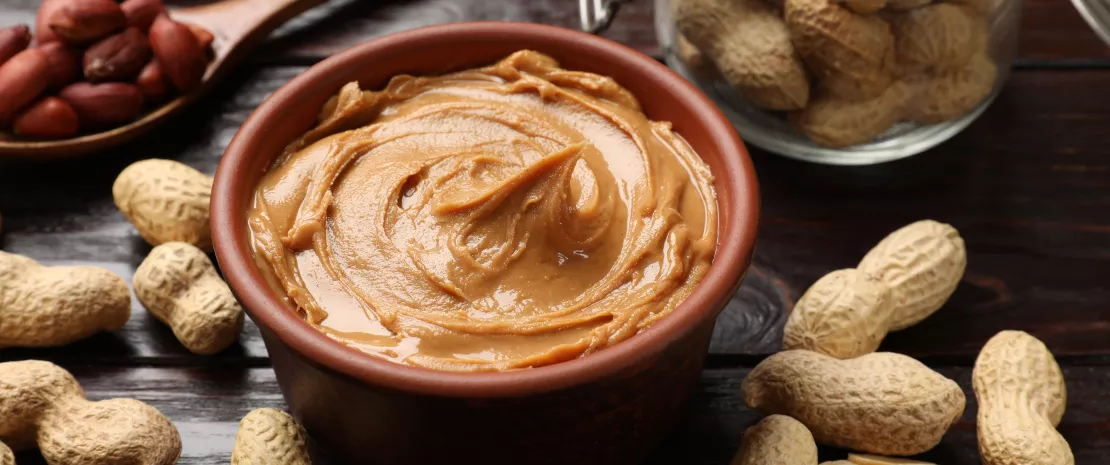
The severity of a peanut food allergy does not depend solely on the level of specific IgE antibodies. A study shows that oral and gut bacteria, such as Rothia, break down the allergen and modulate anaphylaxis severity. Microbiota may therefore help explain why the same allergy causes reactions of very different intensity from one patient to another.

The power of your gut
Our marvelous microbiota
My microbiota as a woman
  • Learn all about microbiota
    • The gut microbiota
    • The ENT microbiota
    • The pulmonary microbiota
    • The urinary microbiota
    • The skin microbiota
    • The vaginal microbiota
    • The exposome
  • Microbiota and related conditions
    • Digestive disorders
    • Women disorders
    • Metabolic disorders
    • Skin disorders
    • Pediatric disorders
    • Psychiatric disorders
    • Neurological disorders
    • Respiratory disorders
    • Urinary disorders
  • Act on your microbiota
    • Probiotics
    • Prebiotics
    • Diet
  • Publications
    • News
    • Thematic folders
    • Thematic pages
    • Microbiota Q & A
    • Patients stories
    • Experts' point of view
  • About the Institute
    • About us
    • International Microbiota Observatory
    • Microbiotalks
    • Press room
    • Partnerships

Healthcare professionals section

Find here your dedicated section
Biocodex logo

Sources

This article is based on scientific information

Sharing is caring

Your friends might be interested in this topic. Why not share it?

  • Facebook
  • Twitter
  • Mail
 Peanut allergy: microbiota makes a difference

About this article

Created 27 August 2026
Updated 03 September 2026

Bacteria capable of disarming allergens

In mice, researchers1 observed that the presence of gut bacteria changes how the body responds to peanuts. The group of mice with rich and diverse gut microbiota broke down the two proteins responsible for most allergic reactions, Ara h 1 and Ara h 2, far more effectively than mice raised with little or no gut microbiota. As a result, fewer intact allergens entered the bloodstream and the allergic reaction triggered after exposure was significantly less intense. Conversely, a second group with limited microbial diversity showed more markers of a severe reaction. 

Ara h 1 and Ara h 2

The two peanut allergen proteins most often recognized by the immune system of people with allergies.

Immune system

All the cells and molecules that protect the body against infections, abnormal cells and foreign substances. In an allergy, IgE and mast cells are involved in recognizing the allergen and triggering the reaction. 

Severe allergic reaction (IgE-mediated anaphylaxis)

Acute, generalized reaction that can be fatal within minutes, triggered when an allergen binds to IgE attached to mast cells, causing the rapid release of inflammatory mediators. 

The bacterial genus Rothia stood out in this research. It is naturally present in the human mouth and small intestine. In the laboratory, it breaks down the two main peanut allergens at specific sites, preventing IgE antibodies from recognizing them. Less recognition means less activation of mast cells, the immune cells responsible for allergy symptoms.

IgE (Immunoglobulin E)

Antibody responsible for immediate allergic reactions, produced by the immune system when it comes into contact with an allergen.

Mast cells

Immune cells that release inflammatory substances during an allergic reaction.

Microbiotal bacteria (enzymatic breakdown of food proteins)

Microorganisms in the oral cavity and intestine that use proteolytic enzymes to break down food proteins resistant to human digestion, including peanut allergens. 

Some Staphylococcus strains have a similar effect, but not all of them. The study shows that two strains of the same species can behave in opposite ways, with one efficiently breaking down the allergen and the other not at all. 

Preventing peanut allergy thanks to the microbiota?

Learn more

A finding confirmed in patients with allergies

The researchers then analyzed saliva samples from 19 patients with peanut allergy. These children, ages 1 to 14, were studied before starting oral immunotherapy treatment. The group of patients that tolerated the highest allergen doses during controlled tests harbored more bacteria capable of breaking down peanuts, including bacteria from the Rothia genus, regardless of their blood levels of Ara h 2-specific IgE. They therefore showed greater allergy tolerance. This observation was then identified in 120 children monitored in an independent study, further strengthening its credibility.

These findings could eventually help better estimate the reactivity threshold and personalize treatment, but they cannot predict the severity of a child’s allergic reaction.

More than 70% of peanut allergies persist over time. This makes the search for new ways to limit the severity of accidental allergic reactions particularly valuable. For affected children and their families, the goal would be to reduce the risk associated with unintentional exposure.These findings still need confirmation through larger studies before any clinical application, but they open up a serious avenue: a microbiota that protects or, conversely, increases exposure depending on the microorganisms it contains. A promising discovery for potential future treatments.

Source

1. Sánchez-Martínez E, Rondeau LE, Garrido-Romero M, et al. Microbial metabolism of food allergens determines the severity of IgE-mediated anaphylaxis. Cell Host Microbe. 2026;34(4):600-619.e9.

Tags
Food allergies Allergies Peanuts Balanced Diet Microbiome Flora

    See also

    What could prevent my child’s respiratory allergies?
    Microbiota imbalance at age one predicts allergies at age five
    Created 27 August 2026
    Updated 03 September 2026

    About this article

    To know more about this topic.

    Main topic

    Allergies

    Related microbiotas

    The gut microbiota
    Our marvelous microbiota

    What foods promote a balanced microbiota?

    We don’t always realize that the food we eat provides essential nourishment not only to our body, but to th...

    Find out more

    Natural remedies against osteoporosis?

    Menopause is characterized by estrogen deficiency, which reduces bone mineral density (BMD) and changes the...

    Find out more

    Everything you need to know about sleep and microbiota

    We all know how a bad night's sleep can ruin the next day, but what if your gut had something to do with it...

    Find out more

    The gut microbiota

    Gut microbiota: why is it that important for your health? We have trillions1 of bacteria that populate...

    Find out more

    Chronic abdominal pain in children: could it be IBS?

    “Mom, dad, my tummy hurts…”. Just an excuse to skip school, or a real illness? If the abdominal pain is rec...

    Find out more

    Acne and microbiota

    Acne, which is a very common skin disease during adolescence, is caused by hormonal changes associated with...

    Find out more

    Microbiotalk: "Break barriers and address taboos in women’s health" - 2025

    Breaking Barriers: A Bold Conversation on Women’s Health ...

    Find out more

    Exposome: exposed microbiota puts health at risk

    Have you ever noticed that some people seem to get sick more often than others? Behind this inequality lies...

    Find out more

    Latest news

    News
    30.06.2026

    Kidney stones: a mix of minerals... and bacteria?

    Read the article
    11.06.2026

    Sunlight is reshaping the bacteria on your skin

    Read the article
    Photo: Dermatite atopique : il faut sauver la peau du champignon Malassezia
    12.10.2022

    Atopic dermatitis: protecting the skin from the Malassezia fungus

    Read the article
     Microbiote urétral : des infections urinaires masculines mieux comprises
    06.01.2023

    Urethral microbiota: a better understanding of male urinary tract infections

    Read the article
    Photo: « Rhume des foins » : la preuve d’une dysbiose nasale pointe le bout de son nez
    12.06.2023

    Hay fever: has a nasal dysbiosis been under our nose the whole time?

    Read the article
    13.02.2024

    The oral microbiome: very destabilized by smoking...but resilient

    Read the article
    11.03.2024

    Tasting the difference: how our oral microbiota influences flavor perception

    Read the article
    19.03.2024

    How S. aureus bacteria are trying to get under your skin

    Read the article
    • Learn all about microbiota
      • The gut microbiota
      • The ENT microbiota
      • The pulmonary microbiota
      • The urinary microbiota
      • The skin microbiota
      • The vaginal microbiota
      • The exposome
    • Microbiota and related conditions
      • Digestive disorders
      • Women disorders
      • Metabolic disorders
      • Skin disorders
      • Pediatric disorders
      • Psychiatric disorders
      • Neurological disorders
      • Respiratory disorders
      • Urinary disorders
    • Act on your microbiota
      • Probiotics
      • Prebiotics
      • Diet
    • Publications
      • News
      • Thematic folders
      • Thematic pages
      • Microbiota Q & A
      • Patients stories
      • Experts' point of view
    • About the Institute
      • About us
      • International Microbiota Observatory
      • Microbiotalks
      • Press room
      • Partnerships

    Healthcare professionals section

    Find here your dedicated section
    Biocodex logo
    The power of your gut
    Our marvelous microbiota
    My microbiota as a woman
    • English
    • Français
    • Español
    • Portuguese
    • Polish

    Browse the site

    • Learn all about microbiota
      • The gut microbiota
      • The ENT microbiota
      • The pulmonary microbiota
      • The urinary microbiota
      • The skin microbiota
      • The vaginal microbiota
      • The exposome
    • Microbiota and related conditions
      • Digestive disorders
      • Women disorders
      • Metabolic disorders
      • Skin disorders
      • Pediatric disorders
      • Psychiatric disorders
      • Neurological disorders
      • Respiratory disorders
      • Urinary disorders
    • Act on your microbiota
      • Probiotics
      • Prebiotics
      • Diet
    • Publications
      • News
      • Thematic folders
      • Thematic pages
      • Microbiota Q & A
      • Patients stories
      • Experts' point of view
    • About the Institute
      • About us
      • International Microbiota Observatory
      • Microbiotalks
      • Press room
      • Partnerships

    Healthcare professionals section

    Find here your dedicated section
    Biocodex logo

    Discover

    The power of your gut
    Our marvelous microbiota
    My microbiota as a woman

    Join the microbiota community

    • Facebook
    • Twitter
    • LinkedIn
    • YouTube
    • Instagram
    • Bluesky

    Healthcare professionals section

    Find here your dedicated section

    Redirection

    You are about to be redirected and leave our website

    • Be redirected
    • Stay on the Biocodex Microbiota Institute's website

    Stay updated

    Join the Microbiota Community and receive once a month “The Essential” to stay up to date on the latest news about microbiota.

    * Mandatory Fields

    BMI 20-35

    Stay with us !

    Join the microbiota community and receive "The Essentials" once a month to stay up to date with the latest news on the microbiota.

    * Mandatory Fields

    BMI 20-35

    Explore

     Peanut allergy: microbiota makes a difference
    27.08.2026

    Peanut allergy: microbiota makes a difference

    Read the article
    A world tour of fermented foods
    24.08.2026

    A world tour of fermented foods

    Read the article
    The beneficial—and sometimes paradoxical—effects of miso
    12.08.2026

    The beneficial—and sometimes paradoxical—effects of miso

    Read the article
    • Learn all about microbiota
      • The gut microbiota
      • The ENT microbiota
      • The pulmonary microbiota
      • The urinary microbiota
      • The skin microbiota
      • The vaginal microbiota
      • The exposome
    • Microbiota and related conditions
      • Digestive disorders
      • Women disorders
      • Metabolic disorders
      • Skin disorders
      • Pediatric disorders
      • Psychiatric disorders
      • Neurological disorders
      • Respiratory disorders
      • Urinary disorders
    • Act on your microbiota
      • Probiotics
      • Prebiotics
      • Diet
    • Publications
      • News
      • Thematic folders
      • Thematic pages
      • Microbiota Q & A
      • Patients stories
      • Experts' point of view
    • About the Institute
      • About us
      • International Microbiota Observatory
      • Microbiotalks
      • Press room
      • Partnerships

    Healthcare professionals section

    Find here your dedicated section
    Biocodex logo

    Discover

    The power of your gut
    Our marvelous microbiota
    My microbiota as a woman

    Healthcare professionals section

    Find here your dedicated section

    Join the microbiota community

    • Facebook
    • Twitter
    • LinkedIn
    • YouTube
    • Instagram
    • Bluesky

    © 2026 Biocodex. All rights reserved.

    • Legal notice
    • GTU
    • Data protection policy
    • Sitemap
    • Cookies settings
    • Digital accessibility : partially compliant
    Biocodex logo