Little or no gluten: is it truly better for our microbiota?

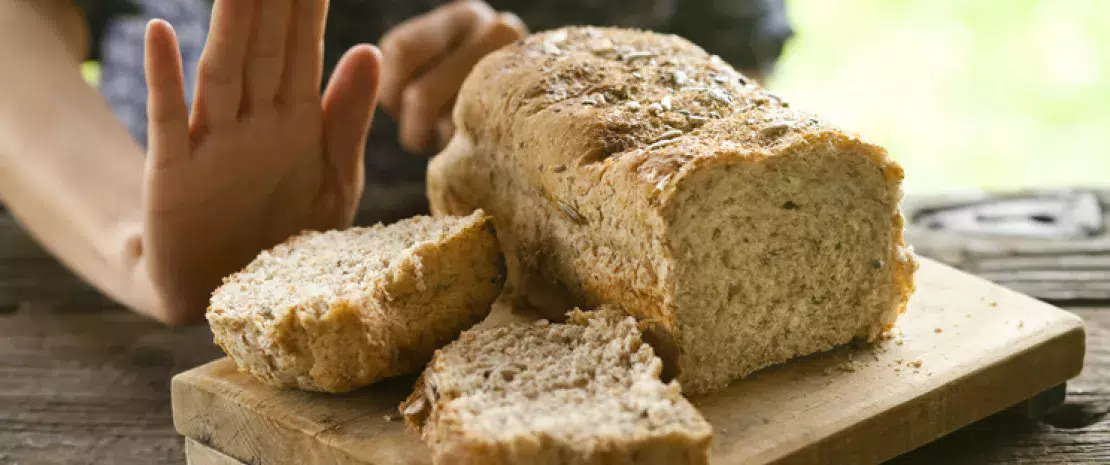
Gluten-free diet was initially used by people intolerant to this protein, but it has now become increasingly attractive to healthy adults who are convinced of its benefits. What is the truth? Should we eat less gluten to be healthier? A Danish team investigated this issue…

The gut microbiota What foods promote a balanced microbiota?
Actu GP : Pas ou peu de gluten : vraiment mieux pour notre microbiote ?

Gluten is a major component in wheat, barley and rye, and consists of proteins that are mostly insoluble and difficult to digest. They then accumulate in the intestines where they can interact with the immune system, disrupt gut permeability and change the microbiota’s activity. Only a true gluten intolerance, called celiac disease, requires a permanent gluten-free diet.

Low-gluten vs. high-gluten diet

Given the popularity of gluten-free diet with the general population, researchers carried out a study in 60 healthy adults, comparing a low-gluten diet to a high-gluten diet (respectively 2 and 18 g per day). Both diets lasted eight weeks and were separated by a period of at least six weeks when participants resumed their regular diet (12 g of gluten per day). In both groups, dietary intake was the same (number of calories and nutrients, amount of fiber) and the only difference between the two diets was the nature of ingested fibers.

Benefits with unexpected causes

The results indicate that a gluten-free diet changed the composition of the gut microbiota (significant decrease in bifidobacteria), and that it mainly modulated its activity. The participants reported improved gastrointestinal comfort and less bloating, as well as a slight weight loss. A very small drop in inflammation was also observed, indicating an impact on the immune system. Are these results in favor of a low-gluten diet? Not so sure… These benefits seem to be related to the larger diversity of ingested fibers rather than to the decreased consumption of this protein. By excluding products containing gluten, people are forced to eat different sources of fiber such as vegetables, rice, corn or quinoa. According to researchers, the composition of these fibers, and not the lack of gluten, is the reason why there is a positive impact on the microbiota. The researchers indicated that there is no need to encourage people to follow a gluten-free diet, but they have everything to gain by diversifying their diet, as usually recommended by nutritionists…

Summary
Off
Sidebar
Off
Migrated content
Activé
Updated content
Désactivé
Old sources

Sources:

Lea B.S. Hansen et al. A low-gluten diet induces changes in the intestinal microbiome of healthy Danish adults. Nature communications (2018) 9:4630. DOI: 10.1038/s41467-018-07019-x www.nature.com/naturecommunications

Old content type
article
Hide image
Off
News

Childhood immune system: the benefits of vaginal delivery

Vaginal delivery promotes the transmission of maternal microbiota, whose composition is involved in the development of newborns’ immune system, especially through the lipopolysaccharide biosynthesis pathway.

The vaginal microbiota Gut microbiota not yet considered “adult” at 5 years old? Potential role of the oropharyngeal microbiota in stunted childhood growth Can fecal transplantation restore the microbiota of Caesarean-born infants?
Childhood immune system: the benefits of vaginal delivery


19.1% of deliveries worldwide are performed by C-section. This number rises to 25% in Europe and raises ethical questions since this delivery mode is frequently carried out for comfort rather than for medical reasons. We already know that the mode of delivery affects the composition of the gut microbiota in newborns, mainly through the potential contact with the vaginal, skin (and sometimes fecal) flora of the mother and through the use of antibiotics in case of C-section. Since the first days postpartum are a critical time window for the development of the neonatal immune system, an international team focused on the type of intestinal bacteria transmitted from mother to child according to the type of delivery. The team completed their analysis by studying bacterial genes and assessing their functions.

Vaginal delivery: stimulation of the LPS biosynthesis pathway

In this study performed on 33 newborns, the main finding was that children born vaginally had an overabundance of gram-negative bacteria (Bacteroides and Parabacteroides) that seemed to strengthen physiological functions. On the other hand, caesarean delivery promotes the contact of newborns with the mother’s cutaneous microorganisms and the transmission of Staphylococcus, which is found in higher levels in the stool of newborns born this way. Researchers explained that the abundance of this type of bacteria in newborns born vaginally could be related to an increased stimulation of the lipopolysaccharide (LPS) biosynthesis pathway (LPS are components of the external membrane of gram-negative bacteria), compared to newborns born by C-section. These LPS are endotoxins and promote the production of pro-inflammatory cytokines (TNF-a and IL-18) in plasma. These cytokines are found in higher levels in newborns born vaginally.

Immunostimulant potential confirmed in vitro

The extraction of LPS from the stools of newborns born vaginally or via C-section in order to stimulate in vitro primary human immune cells confirmed that C-section delivery is associated with lower production of TNF-a and IL-18. This confirms the lower immunostimulant potential of the gut microbiota of caesarean-born children who were not exposed to the mother’s vaginal bacteria, as well as the limited vertical transmission of some bacterial strains to newborns. This factor could have lifetime impacts in terms of increased risk of developing inflammatory, immune, metabolic disorders, and even chronic diseases. Nevertheless, these results need to be confirmed in larger cohorts with longer term follow-ups in order to better understand the effect of early microbial exposition on innate and adaptative immune responses.


Summary
Off
Sidebar
Off
Migrated content
Activé
Updated content
Désactivé
Old content type
pro_article
Hide image
Off
News Pediatrics Gastroenterology

Sweat odor: a microbial affair

Before puberty, people can shed liters of sweat and still smell (relatively) good. But after puberty, it is a different story! Why does sweat starts smelling foul in adolescence? A team of Asian researchers tried to answer this question, since it is a source of insecurity for many teenagers.

The skin microbiota What foods promote a balanced microbiota?
Actu GP : L’odeur de la sueur, une affaire de microbes


We know that body odor is mainly due to the bacterial decomposition of natural constituents of sweat, which is produced by sweat glands. But we do not know which species are involved and what mechanisms come at play among young people. The researchers thus enrolled prepubescent children (5-9 years old) and teenagers (15-18 years old) and analyzed sweat samples from armpits, neck and scalp, each time 1 hour after a shower, following physical activity, and 7 hours later.

Each species has its own smell

At all times, teenagers had a stronger body odor than children, especially in the armpits. After physical activity, children’s sweat was characterized by a rather sour smell, while that of teenagers had a dominating sulfur-like odor. On the scalp, whatever the age, a greasy odor was detected. According to the researchers, these differences highlight the heterogeneity of skin microbiota species causing unpleasant odors and above all, the influence of some of them.

What causes these bad smells?

Two species predominate in the neck and scalp: one is more abundant in children, the other in teenagers. This difference reflects the changes in sweat gland activity that occur in puberty. But the main finding is the major role played by staphylococci in the body odor of both children and teenagers–a role that is played by bacteria from the Corynebacterium genus in adults. What about the sulfur-like smell in teenagers’ armpits? It is probably related to the acid production from the Staphylococcus epidermidis bacteria. And the sour smell found in children’s necks? Staphylococcus hominis is to blame.

Deodorants especially designed for teenagers?

According to the scientists, the transition from a rather sour-smelling sweat during childhood to a sulfuric smell during adolescence is the result of the reorganization of species within the skin microbiota that occurs in puberty. This discovery could be useful to the manufacturers of deodorants, since the latter are designed to control bad smells in adults, but not in teenagers.

 

Summary
Off
Sidebar
Off
Migrated content
Activé
Updated content
Désactivé
Old sources

Sources:

Tze Hau Lam et al. Understanding the microbial basis of body odor in pre-pubescent children and teenagers. Microbiome 2018 Nov 29;6(1):213.

Old content type
article
Hide image
Off
News

Fecal transplant: a solution for ici-induced colitis?

A preliminary trial with two patients showed that an allogeneic fecal microbiota transplant could help resorb refractory immune checkpoint inhibitor-associated colitis. This avenue remains to be explored as the field of immuno-oncology is blossoming.

The gut microbiota The microbiota as a barrier against rotavirus The role of parasites in the intestinal ecosystem Antibiotics and risk of IBD in adults


The latest therapeutic advances in oncology owe much to immune checkpoint inhibitors (ICI), monoclonal antibodies currently targeting (sidenote: CTLA-4 Cytotoxic T-lymphocyte-associated antigen 4 ) , (sidenote: PD-1 programmed cell death protein 1 ) and (sidenote: PD-L1 Programmed cell death ligand 1 ) . They are much less toxic than chemotherapy, but the first marketed treatments are still associated with immune-mediated adverse reactions, especially refractory colitis. The optimal treatment of these types of disorders has yet to be found. An American team studied the potential benefits of fecal microbiota transplant (FMT). Objective: fight against ICI-induced dysbiosis and promote bacterial mechanisms combating local inflammatory processes.

Promising initial results

The analysis of the bacterial populations before the fecal transplant in the two patients revealed the absence of protective bacteria (from the Bacteroidia and Verrucomicrobiae classes). The first patient was a 50-year old woman treated for chemotherapy-resistant metastatic transitional cell carcinoma and hospitalized for ICI-associated ulcerative colitis. Since colitis symptoms were resistant to standard treatments, she was transplanted, via colonoscopy, a unique stool dose from a healthy donor. Result: progressive and fast disappearance (36 days) of colic symptoms, confirmed by endoscopy. The second patient was a 78-year old man treated with ICI for chemotherapy- and hormonotherapy-resistant prostate cancer. After the onset of immunotherapy-associated colitis that was resistant to all standard treatments, he received two stool doses (separated by a 67-day interval) from the same healthy donor. Clinical symptoms were partially reduced by the first transplant and eliminated by the second, as demonstrated by endoscopy.

Post-transplant evolution

The analysis of fecal samples collected throughout the study showed that gut microbiota populations changed following the transplant. Although diversity remained stable, bacterial abundance temporary increased in both patients and the recipient’s microbiota became more similar to that of the donor in the days following the transplant. Immediately after the FMT, recipients were once again colonized by bacteria from the Bifidobacterium and Blautia genera, known for overriding the toxicity of ICI in a murine model and associated with the decrease of gastrointestinal inflammation. These preliminary results still need to be confirmed; they could be a possible response to therapeutic needs that will keep increasing as the use of ICI becomes more common.


Summary
Off
Sidebar
On
Migrated content
Activé
Updated content
Désactivé
Old content type
pro_article
Hide image
Off
News Oncology Gastroenterology

Multi-drug resistant bacteria traveled through space

In March 2015, astronauts discovered 5 antibiotic-resistant bacterial strains in the toilet and the exercise platform of the International Space Station (ISS).

Antibiotic-associated diarrhea
Actu GP : Des bactéries multirésistantes ont voyagé dans l’espace


It may sound funny, but NASA researchers took this discovery very seriously. In the BMC Microbiology journal, a team from the prestigious aerospace research center explains that the presence of these bacteria could become a hazard to astronauts during long-term missions in space, or even during the first manned space flights to Mars. It would be impossible to turn around during this 260-million-kilometer-long journey and come back to Earth in order to treat infected individuals.

Drug resistant strains…

By studying the DNA of these 5 bacteria, the scientists discovered that they presented strong similarities with 3 enterobacterial strains (present in the intestines) recently isolated on Earth in Tanzania and the US. They are responsible for serious hospital-acquired infections in immunocompromised persons and newborns, and they are part of a bacterial species known for being highly pathogenic and resistant to multiple antibiotics. Additionally, the researchers indicated that the strains found in the international space station were also resistant to many antimicrobial agents (penicillin, for instance) which are “antibiotics used by astronauts for over 20 years”, as underlined by the researchers.

…although harmless so far

Fortunately, these strains were not virulent and did not threaten the astronauts’ health. But they could very probably become pathogenic (79% probability) under specific conditions (to be determined) such as the very low gravity found in the ISS: several studies suggested that this condition may increase bacteria’s virulence and resistance to antibiotics or impact the growth or size of microorganisms. This study also reminds us that the international space station is not sterile: astronauts come on board with their microbes, and other microorganisms may be introduced by food or material shipments sent to the station.


Summary
Off
Sidebar
Off
Migrated content
Activé
Updated content
Désactivé
Old sources

Sources:

Singh NK, Bezdan D, Checinska Sielaff A, et al. Multi-drug resistant Enterobacter bugandensis species isolated from the International Space Station and comparative genomic analyses with human pathogenic strains. BMC Microbiol. 2018 Nov 23;18(1):175.

Old content type
article
Hide image
Off
News Off

Gut dysbiosis in ICU patients: a risk factor for antibiotic resistance

Some antibiotics used in intensive care could generate a gut dysbiosis that promotes the growth of carbapenem-resistant Pseudomonas aeruginosa, the most common cause of antibiotic resistance.

The gut microbiota
Photo : Gut dysbiosis in ICU patients: a risk factor for antibiotic resistance

ICU patients are particularly exposed to the risk of gut dysbiosis, which may promote infections by opportunistic bacteria or external pathogens. This could favor the onset of antibiotic resistance in patients often subject to heavy antibiotic therapy. This is particularly true for Pseudomonas aeruginosa, for which it is critical to develop new antibiotics according to the WHO.

Particularly resistant bacteria

P. aeruginosa shows an alarming resistance to carbapenems (estimated at 25% in France and 28% in the US). A North American team focused on the link between gut dysbiosis, antibiotic therapy and colonization by carbapenem-resistant P. aeruginosa (CRPA) in 109 patients admitted in ICU and divided into three groups: a control group who did not receive any antibiotic and did not develop CRPA, and two antibiotic-treated groups (one where patients developed CRPA and one where they did not). Antibiotics used were vancomycin, the standard molecule to fight (sidenote: MRSA Methicillin-resistant Staphylococcus aureus ) , and a combination of piperacillin and tazobactam with anti-anaerobic and anti-pseudomonal activity.

Cornerstone of the modern therapeutic arsenal, antibiotics saved millions of lives. On the other hand, their excessive and sometimes inappropriate use can lead to the emergence of multiple forms of resistance in microorganisms. Each year, the World Health Organization (WHO) organizes the World AMR Awareness Week (WAAW) to increase awareness of this public health issue. Read the dedicated page:

Microbiota at the forefront of antibiotic resistance

The largescale and sometimes inappropriate use of antibiotics is making them in…

A path open to pathogens

The combination of piperacillin and tazobactam proved to be detrimental to beneficial bacteria, such as Lactobacillus and Faecalibacterium, used in some probiotics, and Blautia, which could help prevent Clostridium difficile infections. Simultaneously, the treatment favored the growth of opportunistic pathogens such as Enterococcus. Vancomycin was associated to a decrease in Bifidobacterium. Overall, the risk of CRPA emergence was nearly three times higher in patients who had received one of these treatments, compared to those who had not be treated with antibiotics.

What is the World AMR Awareness Week?

Each year, since 2015, the WHO organizes the World AMR Awareness Week (WAAW), which aims to increase awareness of global antimicrobial resistance.
Held on 18-24 November, this campaign encourages the general public, healthcare professionals and decision-makers to use antimicrobials carefully, to prevent the further emergence of antimicrobial resistance.

Profiling at-risk patients

The researchers also identified some bacteria with a protective role against CRPA: Peptoniphilus, Prevotella and bacteria from the Clostridiales order. They could be used as biomarkers in intensive care patients to adapt antibiotic therapy when the presence of CRPA has been confirmed or when there are signs of infection. However, the authors indicated that some of these protective bacteria like Finegoldia, Anaerococcus and Peptoniphilus have previously been associated to chronic infections and wounds. Prior to any clinical application, research must be continued and include other microbiotas (skin and respiratory) as well as other potential colonization sites.

Meet Professor Sørensen, 2022 Biocodex Microbiota Foundation International Grant Winner.

His team pioneered an ambitious study on the resistome of 700 children that will facilitate a breakthrough in the understanding of the evolution and dissemination of antimicrobial resistance in the early life human gut.

Discover his project

Summary
Off
Sidebar
On
Migrated content
Activé
Updated content
Désactivé
Old content type
pro_article
Hide image
Off
News Gastroenterology Off

Prematurity: breastfeeding may very well make the difference

Breastfeeding plays a major role in the development of newborns’ intestinal and oral microbiota. It is especially important in premature babies: starting breastfeeding as early as possible could promote the development of a protective ecosystem.

The gut microbiota What foods promote a balanced microbiota?
Actu GP : Prématurité : donner le sein changerait tout


Breastfeeding is a practice recommended by the World Health Organization, and even more so for premature babies. These cases are far from rare, since they account for more than 50,000 births per year in France. An Italian study confirms the benefits of breastfeeding on the intestinal and oral microbiota of these babies that are born too early. These benefits could be passed on their health, in the short or long term.

Breastfeeding and its benefits

The team focused on the link between breast milk, breastfeeding, and composition of infants’ oral and intestinal microbiotas. To that end, 16 mother-infant pairs were monitored during at least one month. Premature babies are not able to suckle milk from the breast in the first days of life. This feature allowed the scientists to understand the impact of human milk, which is different when it is received directly from the breast: breastfeeding could have an impact on the milk’s microbial composition. During the days following birth, extracted breast milk has a lesser diversity and hosts more bacteria from the Staphylococcus family. The same observation was made in donor breast milk. On the contrary, milk sampled when the babies were directly breastfed was a lot richer in “good” bacteria, although the reason is unknown.

A “balanced” microbiota

This finding could have an impact on the development of newborns’ microbiota. During their first week of life, intestinal and oral microbiomes of infants who are bottle-fed breast milk are very different from that of other newborns and are dominated by staphylococci, like their mother’s. When they are breastfed, their oral and intestinal microbiotas have a higher content of “good” bacteria. The diversity is then similar to that observed in children born full-term, breastfed by their mothers and in good health. Although breast milk is considered essential, this study suggests that actual breastfeeding is at least as important for the microbiota of premature babies, which is considered as “balanced”. This could promote the proper development of the immune system, the gastrointestinal function… or even protect these babies from severe childhood diseases.


Summary
Off
Sidebar
Off
Migrated content
Activé
Updated content
Désactivé
Old sources

Sources:

Biagi E, Aceti A, Quercia S, et al. Microbial community dynamics in mother’s milk and infant’s mouth and gut in moderately preterm infants Frontiers in Microbiology, 2018 Oct 22;9:2512.

Old content type
article
Hide image
Off
News

Roasted, grilled or boiled food: what does your intestinal flora like best?

Roasting or grilling your food seems to be more beneficial for the gut microbiota than boiling, according to a new study that will be published in the Journal of Agriculture and Food Chemistry.

The gut microbiota What foods promote a balanced microbiota?


Among all factors that may impact microorganisms hosted in our gastrointestinal tract, food is well ahead. Food provides bacteria and other microorganisms of the flora with the substrates they need to develop through non-digested substances that are absorbed by the intestines (such as fibers, starch, some proteins and fatty acids…). These substances are then transformed into either beneficial or harmful compounds.

Cooking = modulating

Based on the assumption that the heat level specific to each cooking technique generates different chemical components (and consequently modulates the composition of the microbiota in its own way), Spanish researchers conducted an original experiment: they used five different cooking methods (pan frying, boiling, grilling, roasting or toasting) to prepare five foodstuffs (chicken, banana, red pepper, bread and chickpeas), which they then subjected to an in vitro digestion and fermentation process mimicking the action of small intestine and colon. To assess the effects of the cooking method, they measured the amount of three substances produced during the (sidenote: Chemical reaction that occurs when sugars and proteins interact after heating a foodstuff at a temperature of 145°C or more. Furosine, furfural and hydroxymethylfurfural (HMF) are components produced during this reaction. ) . They then analyzed the microbial composition of the foodstuff and measured the production of short-chain fatty acids (SCFA). These substances are especially beneficial to our health and could protect us from obesity, metabolic syndrome or even colorectal cancer.

Different effects depending on the food

In general, intense cooking, like roasting or grilling, increase the production of short-chain fatty acids and the content of protective bacteria in the food. But this phenomenon is inverted for some foodstuff such as bread and banana, where intense cooking decreases the number of beneficial bacteria. These results show that by modifying the composition of food, cooking modulates the composition of the gut microbiota. The authors concluded that all these cooking techniques are not equal and that, in particular, their impact depends on the nature of the foodstuff.

Summary
Off
Sidebar
Off
Migrated content
Activé
Updated content
Désactivé
Old sources

Sources:

Pérez-Burillo S, Pastoriza S, Jiménez-Hernández N, D'Auria G, Francino MP, Rufián-Henares JA. Effect of Food Thermal Processing on the Composition of the Gut Microbiota. J Agric Food Chem. 2018 Oct 31;66(43):11500-11509

Old content type
article
Hide image
Off
News

Kidney stones: role of the gut microbiota

A study has just showed that the gut flora could play a part in the formation of kidney stones. Patients with a history of recurrent nephrolithiasis seem to have a lower content of oxalate-degrading digestive bacteria.

The gut microbiota Kidney failure: impact of the gut microbiota Severity-specific signature of gut microbiota in chronic kidney disease Kidney transplant: is pre-operative dysbiosis a risk factor for diabetes?

An Italian team studied the gut microbiota of 52 patients who experienced at least two symptomatic episodes of kidney stones made of over 80% of calcium oxalate crystals (group C+), and compared it to that of 48 healthy controls. This type of stones is present in 70% of renal colic cases, usually with no identified primary cause. Diet (too high intakes of calcium and oxalate) is the only factor currently identified in the genesis of this idiopathic lithiasis, which is often recurrent. The involvement of the gut microbiota had already been suggested in a study that brought to light the ability of a gut bacterium (Oxalobacter formigenes) to degrade oxalate, thus reducing its absorption and urinary excretion.

Bacterial genera involved in hyperoxaluria

New studies support this hypothesis: samples from group C+ contained a lower diversity and, taxonomically, a significantly lower representation of three genera: Faecalibacterium, Enterobacter, Dorea. Nevertheless, the content of Oxalobacter formigenes detected in each sample was very low, and with no difference between groups. Scientists then researched a potential difference in oxalate-degrading activity. Five samples from each group were analyzed through a specific sequencing method targeting the genes involved in oxalate degradation. Samples from group C+ contained a reduced proportion of these genes that was inversely correlated to hyperoxaluria after 24 hours and fecal excretion. This genetic approach also identified for the first time bacteria and Archaea carrying genes involved in the degradation of oxalate (Escherichia coli among others) whose content was higher in the healthy control group.

Modulation of the microbiota: a promising avenue?

Previous studies were not able to demonstrate the efficacy of pre- and probiotics targeting Oxalobacter formigenes to prevent the recurrence of kidney stones. According to the researchers, this failure could come from the involvement of other species in the calcium oxalate balance. That is why these works provide new lines of research on the gut-liver axis and on the physiopathology of nephrolithiasis. They should make it possible to assess new therapeutic strategies related to the modulation of the gut microbiota.

Summary
Off
Sidebar
On
Migrated content
Activé
Updated content
Désactivé
Old content type
pro_article
Hide image
Off
News Nephrology Gastroenterology

Can we evaluate the risk of childhood obesity based on the intestinal flora?

The composition of the gut microbiota of a two-year old child could predict their subsequent risk of obesity, according to a Norwegian study that opens up new outlooks on the prevention of this disorder that keeps gaining ground all over the world.

The gut microbiota Metabolic syndrome What foods promote a balanced microbiota?

Although poor diet and insufficient physical activity are unquestionable risk factors for excess weight and obesity, the gut microbiota could also play a major role: according to different studies, its composition during the first two years of life is related to the weight progression during that same time period. In a new study, researchers analyzed the gut microbiota of 165 Norwegian children as well as their mother’s BMI during pregnancy at 6 different timepoints between birth and the age of two. They then tried to correlate these results with the (sidenote: Body Mass Index.  Ratio of weight in kg to square of height in sq.m ) of these same children ten years later.

An “obesogenic” microbiota despite a “normal” BMI

In children of normal weight, the BMI remains the same during their entire childhood; while in obese children, BMI constantly increases between 2 and 12 years old. However, the authors point out that only an extremely small minority of these children have a BMI at the age of 2 that heralds a future obesity. On the contrary, they observed a strong association between the composition of the microbiota at the age of 2 and the BMI at the age of 12. According to their calculations, the impact of the intestinal ecosystem on the BMI largely exceeds that of other known factors such as mode of delivery, duration of exclusive breastfeeding, exposure to antibiotics, or various maternal factors such as smoking, pre-pregnancy BMI, education level.

Early identification for a better prevention

According to the authors, having an “obesogenic” gut microbiota precedes weight gain by several years and seems to be mainly the result of direct mother-to-child transmission (mother excess weight or obesity, excessive weight gain during pregnancy…). They suggest that these findings are a step towards new and more targeted strategies to prevent childhood obesity that are based on the identification of high-risk children before the age of two, when their weight is still within the normal range.

Summary
Off
Sidebar
Off
Migrated content
Activé
Updated content
Désactivé
Old sources

Sources:

Stanislawski MA, Dabelea D, Wagner BD, Iszatt N, Dahl C, Sontag MK, Knight R, Lozupone CA, Eggesbø M. Gut Microbiota in the First 2 Years of Life and the Association with Body Mass Index at Age 12 in a Norwegian Birth Cohort. MBio. 2018 Oct 23;9(5).

Old content type
article
Hide image
Off
News