Bacteria as restorers of works of art: future allies of heritage conservation?

An Italian team detailed the deterioration of a 17th-century Baroque painting caused by bacteria and fungi. They also identified three bacterial species that have the ability to counter such deterioration.

What foods promote a balanced microbiota?
Actu GP : Bactéries restauratrices : futures alliées du patrimoine ?

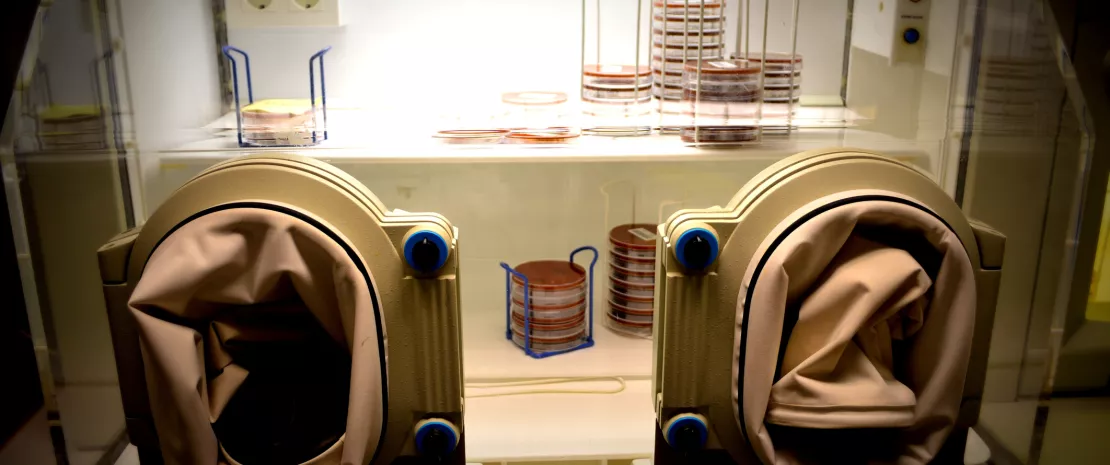
When it comes to art, biodegradability is rarely compatible with durability. The deterioration of works of art and buildings by microorganisms is a threat dreaded by curators of historic pieces and sites worldwide. In the Santa Maria in Vado church in Ferrara, Italy, the 1620 painting (sidenote: The Coronation of the Virgin ) by the Italian artist Carlo Bononi, has suffered the ravages of time, natural disasters (2012 earthquake)… and microbes.

The perfect cocktail

Researchers from Ferrara made their contribution to the restoration of this work of art by analyzing the microbial life that had grown on the painting. By extracting samples from the painting–which was originally displayed on the ceiling and is now standing on the floor in a niche–the Italian team was able to observe two types of bacteria: Staphylococcus on the front, the most eroded section, and Bacillus on the back. This typical 17th-century painting is covered with natural pigments, which these bacteria love to feast on, especially red lac, red earth and yellow earth. Associated with ideal temperature, humidity and light conditions, it was the perfect cocktail to promote the growth of these “paint-eating” bacteria.

Each area has its own fungi

High heat and humidity also attract fungi: the scientists found in other darker areas Aspergillus and Penicillium molds. These two species are also found in museums and libraries housing old paintings and paper-based items. Lighter areas (yellowish light blue or pink), however, hosted Cladosporium spp., while the part resting on the floor was stained by Alternaria yeast.

Fighting fire with fire: rescuer bacteria

Identifying aggressors is one thing, finding saviors is another, although much more useful. The same Italian team was successful in their quest: they discovered that three species of Bacillus could prevent growth and harmful effects of microorganisms attracted to colors. These bacteria could become allies in the restoration of paintings and works of art subject to microbial attacks. We now have to make sure that they do not affect the paintings in any way. (Art)work in progress…

Summary
Off
Sidebar
Off
Migrated content
Activé
Updated content
Désactivé
Old sources

Sources:

E caselli et al, Characterization of biodegradation in a 17th century easel painting and potential for a biological approach, PLoS One. 2018 Dec 5;13(12):e0207630

Old content type
article
Hide image
Off
News

Peripartum prophylactic antibiotic therapy decreases bifidobacterium levels in breast milk

Peripartum preventive antibiotic therapy changes the bacterial composition of breast milk. Levels of Bifidobacterium, bacteria that are beneficial to the development of newborns, are significantly reduced in the days following delivery.

The gut microbiota Microbiota, breastfeeding and early puberty Can fecal transplantation restore the microbiota of Caesarean-born infants? Infant microbiota: the breast milk feeding mode counts
Actu PRO : Une antibiothérapie prophylactique péri-partum appauvrit le lait maternel en Bifidobacterium

Prophylactic antibiotic therapy is necessary to reduce the risks of peripartum infections, which are the cause of 10% of maternal deaths and are associated to the death of nearly 1 million of newborns every year, according to the (sidenote: WHO recommendations for prevention and treatment of maternal peripartum infections- 2015 ) . However, these treatments are associated with adverse effects, including changes in the maternal microbiota that are likely to impact the child’s early colonization. This led a Brazilian team to study changes in breast milk bacterial populations, while focusing on bacteria from the Bifidobacterium genus. The main representatives of this genus (B. breve, B. adolescentis, B. bifidum, B. longum, and B. dentium in breast milk) are known for their beneficial effects on humans, especially through the production of short-chain fatty acids.

Significant decrease in Bifidobacterium on Day 7

Researchers compared samples of milk from 55 women who gave birth vaginally: 21 were preventively treated with broad-spectrum antibiotics (cefazolin, penicillin or clindamycin) and 34 treatment-naive women. Total bacterial concentration as well as detailed count of Bifidobacterium were determined by qPCR in samples taken on Days 7±3 and 30±4. The results did not show significant differences between the study groups in the total number of bacteria. An explanation for this finding might be the repopulation by bacteria that are resistant to the antibiotics used in the study. On the contrary, a significant decrease in levels of Bifidobacterium is observed in the milk of women treated prophylactically. This dysbiosis is at its peak on Day 7±3 but returns to normal over time and is not noticeable after one month.

Hailed as one of the greatest medical advances of the 20th century, antibiotics have saved millions of lives. But they also have an impact on our microbiota by inducing a dysbiosis. Let’s take a look at this ambivalence role:

The ambivalent role of antibiotics

By destroying the bacteria responsible for infection, antibiotics can also lead…

Dysbiosis gradual improvement: hypotheses

Researchers suggest a likely recolonization from the gut microbiota, trough the endogenous entero‑mammary pathway involving maternal dendritic cells able to capture commensal bacteria in the lumen. Other hypothesis: oligosaccharides present in breast milk might act as a substrate and promote Bifidobacterium growth. All we can say for sure is that if the mother is breastfeeding, peripartum prophylactic antibiotic therapy reduces the supply of beneficial bacteria to the child. This initial observation requires us to detail the impact of this temporary deficit on the development of the newborn’s gut microbiota and correlated functions, especially immune and inflammatory functions.

What is the World AMR Awareness Week?

Each year, since 2015, the WHO organizes the World AMR Awareness Week (WAAW), which aims to increase awareness of global antimicrobial resistance.
Held on 18-24 November, this campaign encourages the general public, healthcare professionals and decision-makers to use antimicrobials carefully, to prevent the further emergence of antimicrobial resistance.

Summary
Off
Sidebar
On
Migrated content
Activé
Updated content
Désactivé
Old content type
pro_article
Hide image
Off
News Gastroenterology

Gut microbiota, a reflection of our thyroid?

Our gut microbiota could reflect the state of our thyroid’s health, according to a Chinese study that brings to light the link between its composition and the risk of contracting thyroid nodules and cancer. A first step towards the development of potentially useful probiotics?

The gut microbiota What foods promote a balanced microbiota?
Actu GP : Le microbiote intestinal, miroir de notre thyroïde ?


Thyroid diseases are steadily increasing, especially in women. Estrogens, body mass index, radioactivity, ethnicity or high consumption of iodine… there are many risk factors. Individuals with a thyroid disease have a thyroid hormone imbalance observed in the blood levels as well as a disrupted functioning. However, these hormones can impact the composition of the gut microbiota. On the contrary, the latter may be involved in the exchange of hormonal messages between gut and brain. Previous works have already established a link between gut microbiota on the one hand, and some autoimmune thyroid disorders ( (sidenote: Hashimoto's thyroiditis and Graves’ disease Two autoimmune diseases caused by an attack of the thyroid gland by the immune system, which considers it as foreign to the body. Hashimoto's thyroiditis is characterized by hypothyroidism; and Graves’ disease by hyperthyroidism. ) ) on the other hand. What about thyroid nodules and cancer?

Patients with thyroid disorders have a richer microbiota

To test this hypothesis, a Chinese team analyzed and compared the stool composition of 74 participants: 20 with thyroid cancer, 18 with nodules and 36 healthy volunteers. The results showed a greater abundance of intestinal bacteria in patients with a thyroid disorder compared to healthy individuals. Patients also had lower contents of Lactobacillus, involved in the selenium retention, a trace element that is key to a properly-functioning thyroid, and Butyricimonas, which produces a substance with beneficial effects on the gastrointestinal tract. Other bacteria were, however, more abundant: Neisseria and Streptococcus in case of nodules, as well as Clostridium in case of cancer. According to the authors, these species seem to play a role in the proper functioning of the thyroid and onset of these disorders.

Useful bacterial biomarkers

The researchers also observed a link between the abundance of some bacterial species and TSH (thyroid-stimulating hormone) and T3 (triiodothyronine) levels, two hormones indicating the potential presence of thyroid disorders. However, it is still impossible to explain if observed thyroid disorders lead to a specific microbiota, or if some bacterial species trigger these disorders. All these discoveries could make thyroid nodules and cancer diagnosis easier and lead to the development of probiotics useful to their treatment.


Summary
Off
Sidebar
On
Migrated content
Activé
Updated content
Désactivé
Old sources

Sources:

Zhang J et al. Dysbiosis of the gut microbiome is associated with thyroid cancer and thyroid nodules and correlated with clinical index of thyroid function. Endocrine 2019 Jun;64(3):564-574.


Old content type
article
Hide image
Off
News

Ulcerative colitis: an innovative fecal transplant protocol

Preservation of anaerobic microorganisms in fecal transplants could lead to a less intensive but just as efficient treatment as standard methods in patients with ulcerative colitis.

The gut microbiota Gut microbiota not yet considered “adult” at 5 years old? Role of the microbiota in gut-brain communication Role of antibiotics and microbiota in parkinson's disease
Photo : Ulcerative colitis: an innovative fecal transplant protocol


While the involvement of the gut microbiota in chronic inflammatory bowel diseases (Crohn’s and ulcerative colitis) has been proven, the fecal microbiota transplant (FMT) is still being investigated. There seems to be a significant donor effect: the more diversified the transplanted microbiota, the better are the results. In this context, Australian researchers developed an innovative technique.

Preserved anaerobic microorganisms, streamlined protocol

Scientists hypothesized that anaerobic microorganisms could be involved in the therapeutic effect of fecal transplants for the treatment of UC. They thus developed a preparation technique that preserves these species which are largely destroyed by standard methods performed in the presence of oxygen. Their administration protocol was less intensive than those previously used: one dose (from a mix of several donors) received by colonoscopy followed by two doses administered through enemas in a 7‑day period, compared to one colonoscopy and five enemas per week during 8 weeks in the (sidenote: Paramsothy et al., Multidonor intensive faecal microbiota transplantation for active ulcerative colitis: a randomised placebo-controlled trial. Lancet 2017 ) .

Effective protocol on corticosteroid dependency

Seventy-three patients with mild to moderate UC were included in this trial. In addition to their background treatment, participants received prednisolone (doses < 25mg/day). Primary endpoint was complete corticosteroid weaning on Week 8, when a new colonoscopy was performed as well as a clinical examination. In the group receiving FMT from donors (dFMT), remission rate was 32%, compared to 9% in the control group who received autologous FMT (aFMT). Average decrease in overall (sidenote: MAYO score https://www.igibdscores.it/en/info-mayo-full.html ) was 3.5 points in the dFMT group (4 patients attained a Mayo score of 0), vs. 1.2 points in the aFMT group. It should also be noted that the greater abundance of both anaerobic species (Anaerofilum pentosovorans and Bacteroides coprophilus) was strongly associated to an improvement of the disease in the dFMT group. This study confirms the benefits of FMT in the treatment of UC and concludes that an anaerobic preparation method could streamline therapeutic protocol and improve patients’ lives, while maintaining the same efficacy.


Summary
Off
Sidebar
On
Migrated content
Activé
Updated content
Désactivé
Old content type
pro_article
Hide image
Off
News Gastroenterology

Fatty liver disease: what are the benefits of whole-grain flour?

Could whole-grain wheat limit the risk of non-alcoholic fatty liver disease attributed to high fat diet?

The gut microbiota Obesity Liver diseases What foods promote a balanced microbiota?
Actu GP : Maladie du foie gras : qu’apporte la farine complète ?

The main symptom of (sidenote: Metabolic syndrome Combination of several metabolic anomalies: high blood pressure, large waist circumference, increased blood triglyceride and glucose levels associated to a low blood level of “good” cholesterol. Alberti KG, Zimmet P, Shaw J. The metabolic syndrome--a new worldwide definition. Lancet. 2005 ; 366 (9491) : 1059-62. ) is the accumulation of fat (triglycerides) in the liver, which not only increases the risk of non-alcoholic fatty steatohepatitis (NASH), but may also alter the whole digestive system, thus leading to increased cardiometabolic risk factors (cardiovascular diseases and type 2 diabetes), including insulin resistance. Could replacing refined flour (white) with whole-grain flour (richer in fiber, minerals and vitamins) help limit these risks? Studies tend to confirm this hypothesis. However, underlying mechanisms remain poorly understood, thus illustrating the complexity of relations between the organs involved in the metabolism, especially gut, fatty tissue and liver.

Whole-grain vs. refined flour

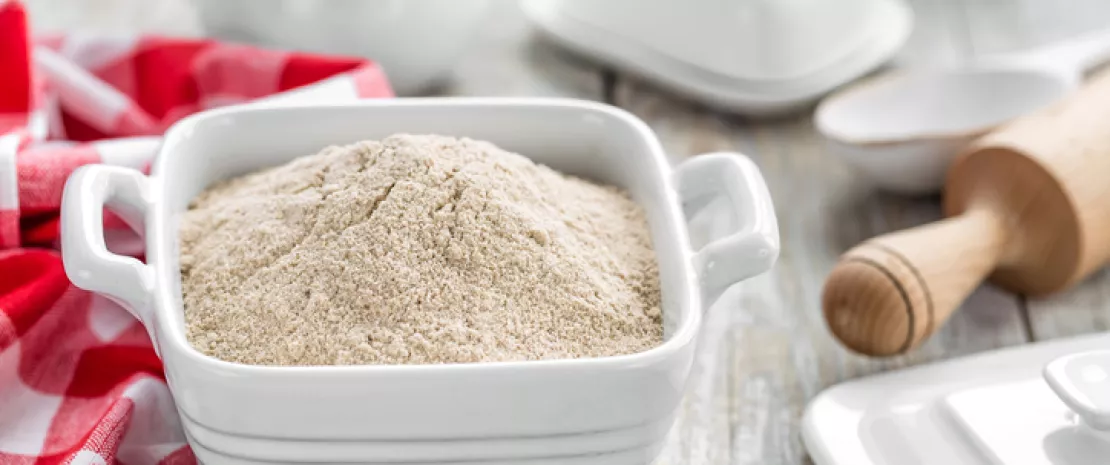
To assess the benefits of whole-grain flour in the digestive system (including liver, fatty tissue and microbiota), Dutch researchers compared its effects to those of refined flour in 50 overweight adults whose total cholesterol levels were slightly elevated. 12 weeks later, the results showed that the wheat refining process does not impact lipid blood levels (lipemia) nor sugar blood levels (glycemia), nor subcutaneous or deep abdominal fat. However, hepatic triglycerides levels were increased by 50%, driving up the proportion of participants with NASH in the refined-flour group from 33% to 44%. On the contrary, this rate decreased from 35% to 25% in the whole-grain-flour group. Researchers also observed a decrease in bacterial diversity and change in composition of the gut microbiota in the refined-flour group, although these alterations were not predictive of changes observed in the liver.

A treatment for NASH?

According to the scientists, these results tend to show the benefits of whole-grain wheat products as a preventive and therapeutic avenue for fatty liver disease. Its protective effects against metabolic disorders could be due to the hepatic benefits of some chemical components naturally present in whole-grain wheat, or to the fermentation of fiber by gut flora bacteria. The authors concluded that, were this true, it would confirm the hypothesis that there is a bidirectional communication between liver and gut.

Summary
Off
Sidebar
On
Migrated content
Activé
Updated content
Désactivé
Old sources

Sources:

Schutte S, et al. A 12-wk whole-grain wheat intervention protects against hepatic fat: the Graandioos study, a randomized trial in overweight subjects. Am J Clin Nutr 2018;108:1264–1274

Old content type
article
Hide image
Off
News

Spinal cord injuries and colorectal disorders: impact of the gut microbiota

According to a Chinese study, functional gastrointestinal disorders affecting patients with trauma-induced chronic spinal cord injuries could be related to gut microbiota disruptions and correlated to serum biomarkers.

The gut microbiota Kidney failure: impact of the gut microbiota Severity-specific signature of gut microbiota in chronic kidney disease Kidney transplant: is pre-operative dysbiosis a risk factor for diabetes?
Photo : Spinal cord injuries and colorectal disorders: impact of the gut microbiota

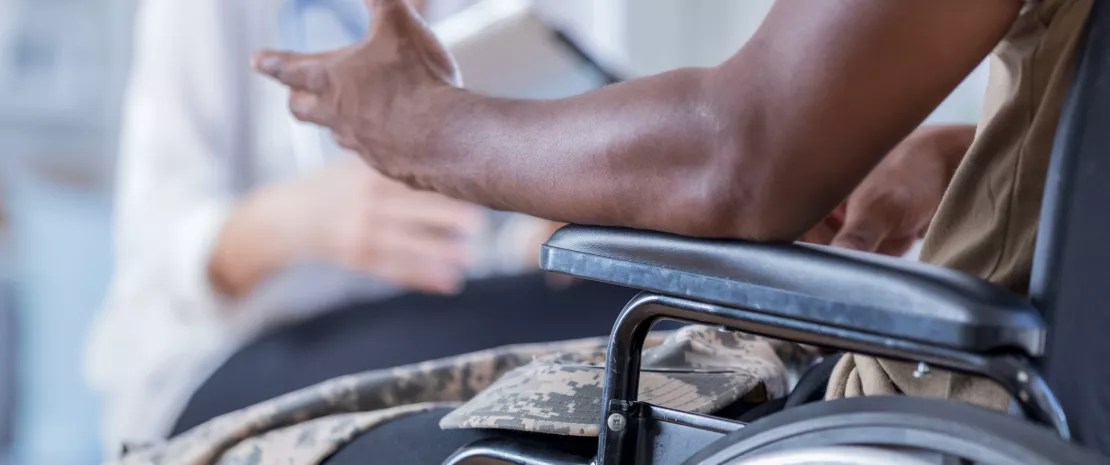
Colorectal disorders caused by chronic spinal cord injuries may have a significant impact on the quality of life of many paraplegic and quadriplegic patients. Disruptions of the autonomous nervous system can lead to gastrointestinal disorders (discomfort, bloating, flatulence), to a combination of chronic constipation and fecal incontinence, and require laxatives or techniques that encourage bowel movements with or without assistance. In some patients, disruptions are so severe that the wish to improve this neurological gastrointestinal disorder exceeds that of treating urinary incontinence or sexual dysfunctions, or even the loss of walking ability.

Disability-associated bacterial profiles

A Chinese team analyzed the stools of 43 men with chronic traumatic spinal cord injuries (23 paraplegic and 20 tetraplegic) and 23 healthy men. The gut microbiota of disabled subjects was different from that of control subjects. It was less diversified and contained higher levels of Bacteroides, Blautia, Lachnoclostridium and Escherichia-Shigella, among others. Moreover, changes were observed in the bacterial profiles of paraplegic (overabundance of Acidaminococcaceae, Blautia, Porphyromonadaceae, and Lachnoclostridium) and tetraplegic patients (overabundance of Bacteroidaceae and Bacteroide) compared to control subjects. Reduced levels of Alistipes also seem to be associated to longer defecation times in tetraplegic patients.

Blood lipid and glucose levels are impacted

To complete their observations, researchers studied correlations between these changes in bacterial populations and some environmental factors such as age, BMI, and various serum markers (CRP, glucose, liver enzymes, blood lipids, uremia and uric acid, creatinine, etc.). Bacteria from the Bacteroides genus, which are more abundant in tetraplegic patients, were associated with low levels of HDL, probably because of the lack of physical activity. On the contrary, bacteria from the Dialister genus, which are more abundant in healthy subjects, were negatively correlated to blood lipids (LDL, triglycerides and total cholesterol). High blood concentrations of these factors could thus be a sign of worsening colorectal disorders. Megamonas were associated with lower glycemia but also with longer defecation time and increased bloating, probably due to the fermentation of undigested carbohydrates by these same bacteria in the colon. A low level of Prevotella was also related to lower glycemia (thus to a beneficial role), even if other studies have shown pro-inflammatory effects. These results need to be completed by other analytical tools (more detailed analysis of bacterial communities, serotonin assay), by including women in cohorts, and by studying the impact of immobility itself, which may also generate dysbioses.

Summary
Off
Sidebar
On
Migrated content
Activé
Updated content
Désactivé
Old content type
pro_article
Hide image
Off
News Oncology Gastroenterology

Is it possible to prevent allergies by feeding cheese to your children?

A European study shows that children who eat cheese from the age of 18 months are less prone to developing allergies during their first six years of life.

The gut microbiota Food allergies What foods promote a balanced microbiota?
Actu GP : Donner du fromage à vos enfants pour prévenir leurs allergies ?

Cheddar, Stilton, blue cheese or camembert … To prevent the onset of food and skin allergies, children’s diet should include significant portions of cheese, and from the youngest age. That is what a study directed by the National Institute for Agronomic Research (INRA) and Besançon Teaching Hospital suggested. For the first time, it establishes a link between early consumption of cheese and decreased risk of childhood allergic diseases. This conclusion was published in the scientific journal Allergy and was undoubtedly received with jubilation in France.

Diversifying the types of cheese

About a thousand children living in the countryside in five different European countries were monitored since their birth, and their parents reported the eating habits of the family, their lifestyle and the health condition of the young participants. Results: the children who ate cheese regularly and/or in large amounts from the age of 18 months, developed less food allergies and eczema (atopic dermatitis) than the others throughout the first six years of life. The more varied the cheese, the more benefits there seems to be. Nevertheless, the study did not reveal any protective effect against allergic rhinitis or asthma.

Richer microbiota

The researchers assume that this protective effect is related to the different microorganisms (bacteria, yeasts and molds) present in cheese. This microbial diversity seems to positively impact the composition of the human gut microbiota in addition to a varied and balanced diet during the first year of life (vegetables, fruits, yaourts, raw milk…). The researchers indicated that “thanks to its rich microbial composition, cheese could change the gut flora and promote its diversification” and reminded us that many studies have already shown that a disrupted or depleted microbiota provides a breeding ground for allergies. To better understand the impact of cheese on the microbiota, the scientists intend to closely analyze the gut flora of cheese lovers.


Sources:

Nicklaus S, Divaret‐Chauveau A, Chardon ML et al. Pasture Study Group. The protective effect of cheese consumption at 18 months on allergic diseases in the first 6 years. Allergy. 2019 Apr;74(4):788-798

Summary
Off
Sidebar
Off
Migrated content
Activé
Updated content
Désactivé
Old content type
article
Hide image
Off
News

Are virome and mycobiome involved in colorectal cancer?

Recent studies explored for the first time the fungal and viral components of gut dysbiosis in patients with colorectal cancer. New diagnostic and therapeutic avenues might arise from the results.

The gut microbiota Mutational signature of E. coli in colorectal cancer Colorectal cancer: from dysbiosis to DNA alteration What are the long-term effects of antibiotics on the gut microbiota?
Actu PRO : Cancer colorectal : un rôle pour le virome et le mycobiome ?


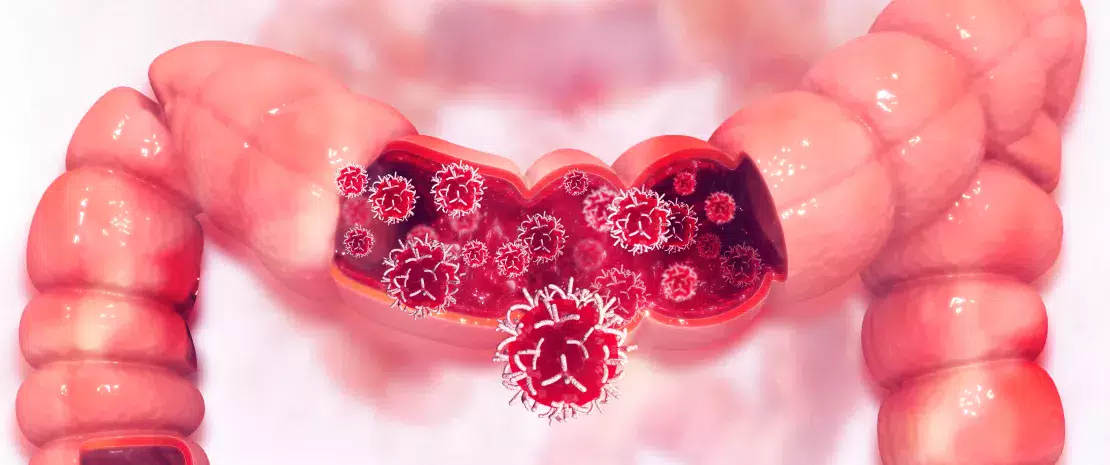
Research on colorectal cancer (CRC) is mainly focused on bacterial populations but is gradually widening to include other microorganisms (fungi and viruses). A study carried out by a team from Hong-Kong focused on the specificities of the mycobiome in patients with colorectal cancer. Stool analysis from 73 patients and 92 healthy volunteers revealed a fungal signature in patients with CRC: the Basidiomycota:Ascomycota ratio is increased (the two most abundant phyla in the human mycobiome), although fungal abundance and diversity remain unchanged.

Opportunistic and protective yeasts

More specifically, 6 fungal genera were more abundant in the stools of patients with CRC, and among them, some opportunistic pathogens such as Acremonium (Ascomycota) and Rhodotorula (Basidiomycota). The same was observed for Malassezia yeast (Basidiomycota), which is usually found in the skin and is involved in atopic dermatitis, among other diseases. It could thus be able to colonize the intestines though a mechanism similar to the one used by Candida albicans (Ascomycota). Some species of Aspergillus were also more abundant in patients with CRC, especially A. flavus which produces aflatoxin and is potentially carcinogenic. On the contrary, the levels of Saccharomyces cerevisiae yeast, known to colonize the gut microbiota and to have other anti-inflammatory and regulative properties of the immune system, were decreased in patients with CRC. According to the authors, this could constitute a potential therapeutic approach. These fungal dysbioses were validated by the same team in two other cohorts and could be used as diagnostic biomarkers.

An indirect role for bacteriophages?

In another study, North-American researchers analyzed the stools of 30 patients with carcinoma, 30 patients with adenoma and 30 healthy subjects. They observed that viral diversity and abundance were not altered in patients with carcinoma / adenoma, and shed light on the role of certain bacteriophages (from the Siphoviridae and Myoviridae families, among others) in colorectal carcinogenesis. According to scientists, some bacteriophages could disrupt colon bacterial populations and be associated to tumor progression. By promoting bacterial lysis, they could allow opportunistic species anchored to the epithelium to produce a biofilm favoring the penetration into the intestinal lumen of oncogenic bacteria which trigger the inflammatory immune response. Unless… bacteria are the one to impact the virome, and not the opposite? A lot of hypotheses have been proposed and several elements still need to be clarified in order to extend the diagnostic and therapeutic arsenal and fight the third most commonly diagnosed cancer in the world in 2018.


Summary
Off
Sidebar
On
Migrated content
Activé
Updated content
Désactivé
Old content type
pro_article
Hide image
Off
News Oncology Gastroenterology