The gut microbiota of a two-month-and-a-half-old baby could be associated to their personality traits at six months, according to the results of an international study that confirm the hypothesis of a link between gut bacteria and our behavior.
The first months of life are key to the bacterial colonization in our gastrointestinal tract and the development of our nervous system. Since the brain and the gut communicate, we can assume that the composition of our gut microbiota plays a key role in the development of our temperament.
Bacterial diversity: a prerequisite for good emotional health
To test this hypothesis, a team of researchers analyzed the gut microbiota of 301 babies at the age of two months and a half and later assessed their temperament at the age of six months. They used a questionnaire filled in by parents to describe the way their child expresses and regulates their emotions. We know that three factors impact bacterial diversity of newborns–delivery mode (vaginal or c-section), diet (breast milk or formula) and mother’s age–, while bacterial abundance is only dependent on the type of diet. This study reveals that greater diversity is related to lesser negative emotionality (fear, sadness) and to lesser fear reactivity, which are two personality traits that are predictive of subsequent psychological disorders.
Is temperament dictated by bacteria?
The study also revealed several specific associations between some bacterial genera and newborns’ temperament. Abundance of Bifidobacterium and Streptococcus and low content of Atopobium seem to be, for instance, associated to positive emotionality, which is a predictive marker of extroverted nature and good emotional regulation. On the contrary, negative emotionality seems to be associated to the Erwinia, Rothia and Serratia bacteria; the latter also being correlated to prenatal maternal stress. Fear reactivity proved to be specifically associated to an increased content of Peptinophilus and Atopobium bacteria. The authors point out that, even when their microbiota is the same, boys and girls do not have the same temperament, thus suggesting that the brain is differentially susceptible to the effects of gut microbiota based on gender.
Safeguarding mental health
Since personality traits can appear years before the development of psychological troubles, the authors believe that these results could have an impact on their early prevention in children. Provided, however, that a causal link is established, which is not the case in this study.
The mechanisms causing severe acne, which affects 20% of patients with acne, are still poorly understood by scientists. One avenue of research: Cutibacterium acnes (or C. acnes, formerly called Propionibacterium acnes) is a bacterium that could play a role in its development. But not necessarily in the way we might think....
Acne is a true affliction dreaded by teenagers that affects up to 85% of the population aged between 11 and 30. This inflammatory skin disease, which may be more or less severe, affects several parts of the body, from the face to the back. Is it the skin microbiota’s fault? According to research it is, although the bacteria responsible for severe acne have not yet been identified. French researchers have thus led their own study...with surprising results!
Less abundant and diverse microbiota
The skin microbiota of 24 patients, collected from their back (severe acne area) and face (mild to moderate acne), was compared to that of 12 healthy volunteers. Compared to controls, the back of patients hosted less bacteria, and it had a higher content of Enterococcus, among others; and in their faces, staphylococci were significantly more abundant, contrary to bacteria from the Propionibacteriaceae family which were less abundant in people with acne but more abundant in healthy people. The Propionibacteriaceae family thus seems to be a marker of healthy skin... This is a true paradox since C. acnes, which was known to be one of the bacteria responsible for acne, is part of this family!
A matter of balance
Acne thus seems related to a disruption of the skin microbiota (or dysbiosis), and its severity to a decreased bacterial diversity and abundance. According to the authors, more than the overabundance of C. acnes, it is the imbalance between the Propionibacteriaceae and the staphylococci families, competing with each other, that induces changes in skin pH and triggers the inflammatory process. This discovery opens the way to the development of new anti-acne treatments based on the restoration of skin microbiota: the skin would have an improved quality and then be able to prevent colonization by opportunistic bacteria.
Dagnelie MA, Montassier E, Khammari A et al. Inflammatory skin is associated with changes in the skin microbiota composition on the back of severe acne patients. Exp Dermatol. 2019; doi.org/10.1111/exd.13988
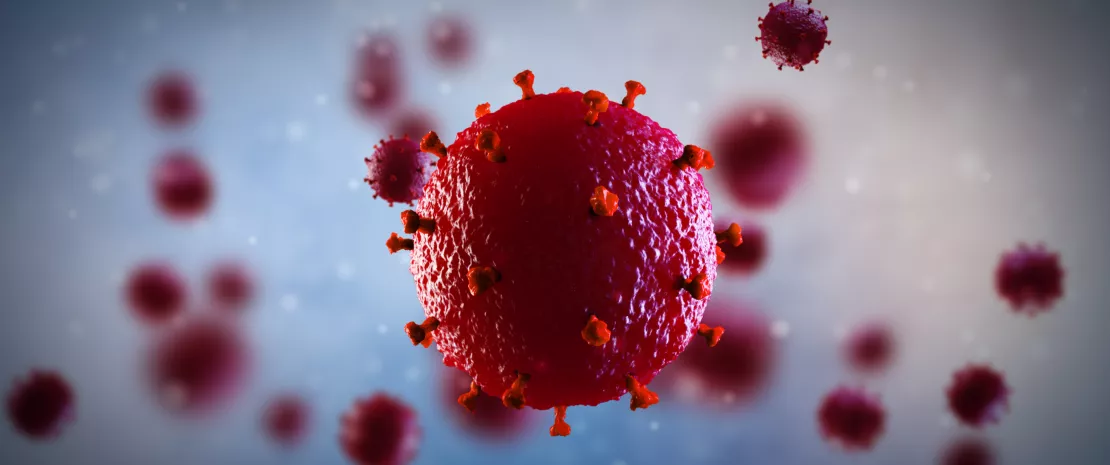
People recently infected with HIV-1 develop changes in their viral and bacterial gut populations. This pronounced dysbiosis, unresolved by antiretroviral therapy, persists during the chronic phase of the disease.
Lymphoid and epithelial tissues of the digestive tube are damaged following primary HIV-1 infection (human immunodeficiency virus-1). These alterations lead to chronic systemic and local inflammation, among others, as well as immune dysregulation, which are early development factors for age-related disorders (type 2 diabetes, cardiovascular diseases, fragility syndrome...). To study the impact of contamination over time, a Spanish team monitored for 9 to 18 months, using the (sidenote:
Shotgun sequencing method is more accurate than 16S rARN.
), the intestinal bacterial and viral composition of 49 subjects from Mozambique recently infected with HIV-1, as well as 54 control subjects. Results were then compared to that of 98 patients in chronic phase receiving an antiretroviral treatment (27) or not (71).
Increased adenovirus fecal excretion and ...
A fast increase in adenovirus fecal excretion was observed in patients recently infected. This situation persists during the chronic phase and is not resolved in patients under antiretroviral treatment. These viruses are rarely excreted in control subjects. Moreover, increased cytomegalovirus and enterovirus fecal excretion was observed in untreated chronic patients, suggesting that it is attributable to a prolonged immune deregulation.
... and decreased levels of anti-inflammatory bacteria
Gut bacterial composition also undergoes changes over time. Although the temporary decrease in abundance and diversity observed following the infection is not specific to VIH-1 contamination, a characteristic pattern has been observed in the chronic phase: drop in Akkermansia, Anaerovibrio, Bifidobacterium and Clostridium levels. This dysbiosis is, according to the scientific literature, associated to chronic inflammation, anergy of CD4+ T-cells and metabolic disorders, which are likely to worsen the patient’s condition. The researchers recommend that longitudinal studies be carried out on the effect of antiretroviral therapy to prevent or correct alterations of the gut microbiota, which are detrimental to people living with HIV-1.
Why are some children more vulnerable than others to acute respiratory infections in general, and in particular to lower airways infections (trachea, bronchi, lungs)? The authors of a study published in the British Medical Journal question the role of the nasal microbiota, whose composition could determine the frequency and severity of these diseases.
Whether it is a simple cold or a more severe disease, acute respiratory infections are very frequent in the first years of life. Lower airways infections (especially pneumonia and bronchiolitis) are the main cause of hospitalization in children under 5 years old. But while some children get one infection after the other (5 to 7 per year) or catch severe forms, other are able to elude microbes. Of course, known risk factors (prematurity, daycare, age) can explain this difference in sensitivity, but only partially. Could their nasal microbiotaplay a role?
5 microbiota profiles
A team of Finnish researchers analyzed the results from a large study that included 839 healthy newborns who were monitored from birth to age two. Based on the samples from the nasal microbiota that were collected at the age of two months, 5 different profiles were identified, according to the dominant bacterial group: Moraxella (30.4%), Streptococcus (22.4%), Dolosigranulum (22.4%), Staphylococcus (17.9%) and Corynebacteriaceae (6.9%). The researchers observed that the frequency of acute respiratory infections depended on each of these profiles.
More Moraxella, more infections
Microbiotas dominated by Moraxella bacteria were less abundant and less diversified than the others, and were associated to a higher incidence of acute respiratory infections, especially lower airways infections, and to longer-lasting symptoms. Affected children also shared other factors: they were more likely to have siblings and to have mild respiratory symptoms as soon as two months old. This was also observed in children whose microbiota was dominated by Staphylococcus bacteria; on the contrary, children with a profile dominated by Corynebacteriaceae bacteria were less often ill.
Identifying at-risk children
Despite some limits acknowledged by the authors, this study still substantiates a link between nasal microbiota and incidence/severity of acute respiratory infections. Further studies are needed to elucidate the complex interactions between this ecosystem, immunity and these diseases in order to identify the children at a greater risk.
Toivonen L, Hasegawa K, Waris M et al. Early nasal microbiota and acute respiratory infections during the first years of life. Thorax. 2019 Jun;74(6):592-599.
The Stroke Dysbiosis Index, designed by a Chinese team, correlates alterations of the gut microbiota and acute ischemic stroke prognosis. This innovating tool could lead to more tailored therapeutic options.
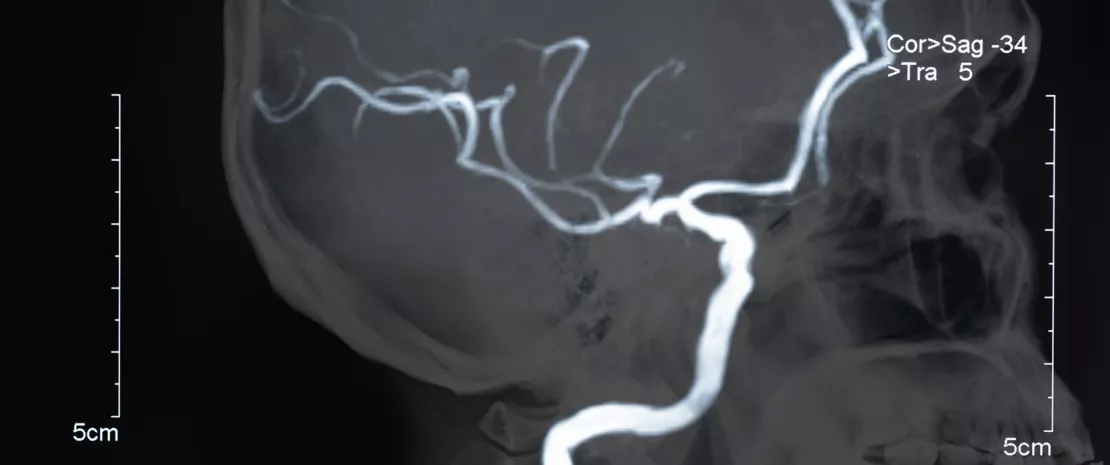
With nearly 25 million episodes per year, acute ischemic stroke is a major health challenge worldwide. Prognosis is currently very difficult to establish and could benefit from the identification of a risk factor for adverse progression. This observation led a Chinese team to develop the Stroke Dysbiosis Index (SDI), an index correlating stroke and gut dysbiosis. Its objective is to confirm the stroke and assess the severity of brain lesions as well as the risk of early complications.
Dysbiosis as a discriminating factor for stroke outcome
The SDI was designed based on the analysis of gut bacterial populations from 104 subjects who had an acute ischemic stroke, compared to 90 control subjects. The formula takes into account changes in levels of 18 bacterial genera. Among others, an increase in Enterobacteriaceae and Parabacteroides associated to a decrease in Faecalibacterium, Clostridiaceae and Lachnospira was observed in stroke patients whose SDI score was significantly higher than that of healthy subjects. The discriminative power of this model was validated with a second cohort of 83 stroke patients and 70 control subjects. A statistical method also demonstrated that SDI is a predictive indicator of both the severity of brain lesions and the risk of early complications.
Balanced microbiota = optimized recovery?
The second part of the study was performed in mice in order to clarify in vivo the relationship between gut microbiota and acute ischemic stroke sequelae. Middle cerebral artery occlusions were induced in animals who received fecal microbiota transplant from human patients with a low or high SDI. Result: brain damage worsened and levels of IL-17(proinflammatory cytokine)-producing g-δ T-cells increased in animals colonized by the bacteria typical of high-SDI pattern, compared to mice receiving transplants from patients with a low SDI. This proves that gut dysbiosis has a negative effect on the post-stroke prognosis. According to the team, the microbiota and its modulation through prebiotics or probiotics, are a therapeutic approach to be further explored in order to maximize the chances of recovery for post-stroke patients.
While tuberculosis-associated disruptions of the gut microbiota have already been described, a study went even further in the characterization of this dysbiosis and identified some species that signal this disease.
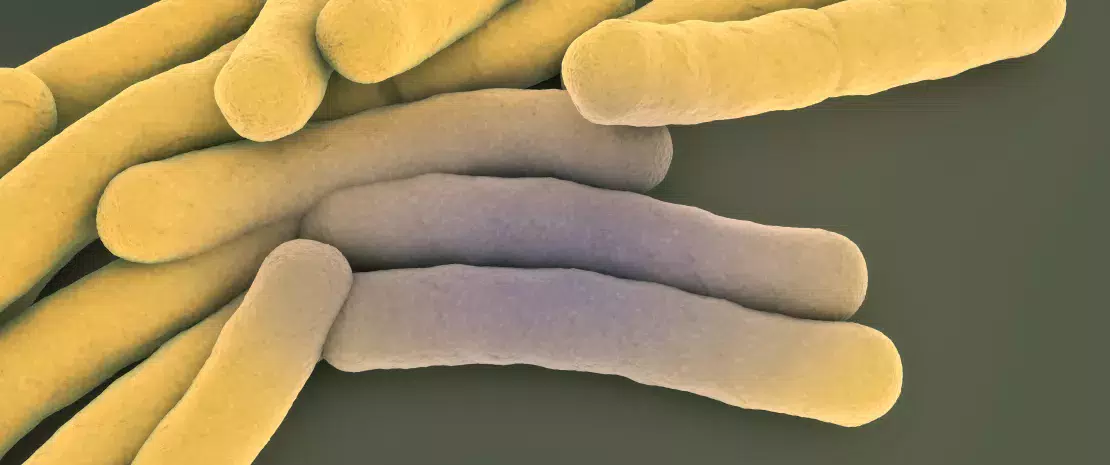
The ability of the gut microbiota to remotely communicate with organs such as the brain, liver or lungs has often been reported in the scientific literature, as well as associations between dysbiosis and some diseases. In this context, a Chinese team focused on the gut microbiota specificities of patients with tuberculosis (TB) caused by Mycobacterium tuberculosis.To describe them, the researchers compared the microbiota of 46 patients with TB to that of 31 control subjects, using (sidenote:
Shotgun sequencing method is more accurate than 16S rARN.
).
Less diversified gut microbiota
First finding: the microbiota of patients with TB showed significantly lower bacterial abundance and diversity (Shannon index). It was also characterized by a decreased or increased presence of some species compared to the control group. In total, 23 species were less abundant in the microbiota of patients with TB, while 2 were more abundant (unclassified Coprobacillus and Clostridum bolteae).
Decreased SCFA metabolism
Another notable finding: among the 23 decreased bacterial species in patients with TB, 9 produce short-chain fatty acids (SCFA), components which are largely involved in inflammatory and immune responses. In particular, five butyrate-producing species (Roseburia inulinivorans, R. hominis, R. intestinalis, Eubacterium rectale and Coprococcus comes), two lactate- and acetate-producing species (Bifidobacterium adolescentis and B. longum) and two acetate- and propionate- producing species (Ruminococcus obeum and Akkermansia muciniphila) were found in decreased amounts. In line with these changes in bacterial composition, SCFA fermentation was significantly lower in patients with TB.
Identifying tuberculosis patients based on their microbiota?
Finally, based on modeling studies, the researchers characterized 3 bacterial species (Haemophilusparainfluenzae,R. inulinivorans and R. hominis) whose presence could discriminate between healthy and tuberculosis patients. The healthy and diseased states could also be distinguished by some genetic variations (SNP, Single Nucleotide Polymorphism) in the B. vulgaris species. As for several disorders affecting different body systems (type 2 diabetes, autism, etc.), tuberculosis seems to be associated to a dysbiosis of the gut microbiota. However, it is not yet possible to determine whether it is a cause or a consequence of the disease, since mechanistic data currently available from animal studies are compatible with both hypotheses.
Why are postmenopausal women more susceptible to recurrent urinary tract infections? Is there an alternative to antibiotics, which give unsatisfactory results? To answer these questions, American researchers unveil a promising avenue: the bladder microbiota (or urinary microbiota).
Lower (cystitis) and upper (pyelonephritis) urinary tract infections are generally attributed to the migration of harmful bacteria from the anus towards the vagina and then the bladder. They are a true health scourge as they affect at least 150 million women worldwide each year, and particularly postmenopausal women: their (sidenote:
Relapses are defined by more than 3 uncomplicated episodes per year or at least 2 in a 6-month period.
) reaches 55% versus 16 to 36% in premenopausal women. The only available treatment is long-term antibiotic therapy. Unfortunately, it is often ineffective and poorly tolerated by elderly women, does not prevent relapses, and contributes to antibiotic resistance.
Unusual bacteria
To understand the underlying mechanisms, an American team conducted analyses in 14 concerned postmenopausal women. Bladder biopsies revealed the presence of several bacterial species, as far as the deepest layers of the bladder wall. Besides known urinary pathogens frequently observed in premenopausal women (mainly Escherichia coli), the researchers discovered species rarely associated to urinary tract infections. They believe them to be true “relapse reservoirs” that are potentially responsible for treatment resistance.
More specific defense mechanism
The body’s immune response seems to play a key role in the predisposition of postmenopausal women to recurrent urinary tract infections. But contrary to observations made in mice, chronic inflammation of the human bladder wall triggers an adaptive immune response, i.e. a second line of defense which is more specific and involves cells specializing in target recognition.
Multiple factors
Although this study partly explains underlying mechanisms, the role of the bacteria involved in the urinary microbiota has yet to be elucidated, as well as that of inflammatory process and adaptive immunity. And it should be reminded that there are other risk factors: number of pregnancies, menopause-associated hormonal changes (estrogen deficit) and presence of some bacteria in the vaginal flora.
N.J. De Nisco, M. Neugent, J. Mull, et al. Direct Detection of Tissue-Resident Bacteria and Chronic Inflammation in the Bladder Wall of Postmenopausal Women with Recurrent Urinary Tract Infection. Journal of Molecular Biology, 2019 Oct 4;431(21):4368-4379.
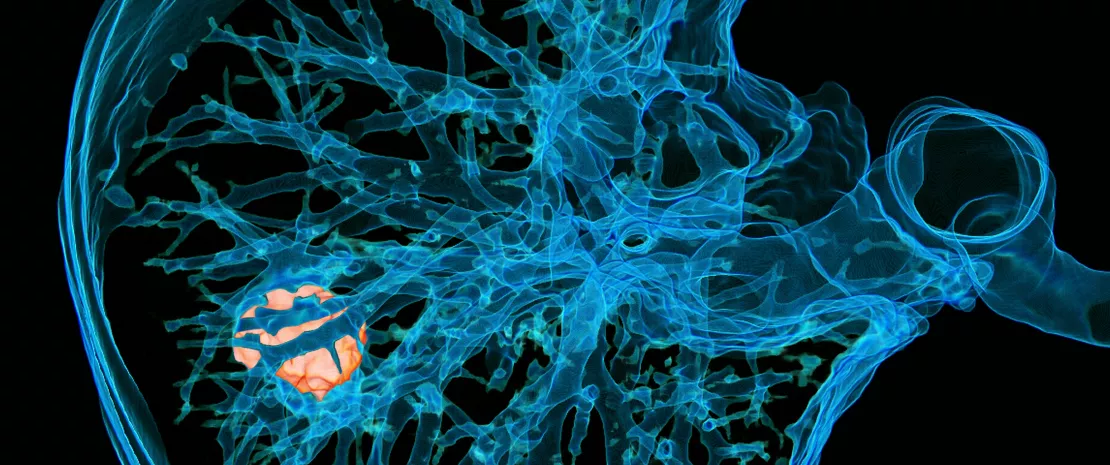
A team of international researchers recently brought to light the role of gut dysbiosis in lung cancer and identified two bacterial genera which could be used as biomarkers of the disease and its progression.
Although the role of the pulmonary microbiota in the pathogenesis of lung cancer (LC) has previously been analyzed, nothing had been written on the role of the gut microbiota until now. The gut microbiota of 30 patients with LC and 30 healthy control subjects was analyzed through high-throughput sequencing of 16S rRNA.
Significant differences in composition
No significant decrease in microbial diversity (Shannon index) was observed in patients with LC compared to controls. However, microbiota composition (beta diversity) proved to be very different between the two groups: controls had a considerably higher abundance of bacteria from Actinobacteria phylum (7.74% vs. 3.14% for patients with LC) and Bifidobacterium genus (4.70% vs. 1.51%). Furthermore, patients with LC presented particularly high levels of bacteria from the Enterococcus genus (4.26% vs. 0.23%).
Disrupted microbiota
Researchers also observed the functioning of the gut microbiota in the two groups by determining the functional abundance spectra. This representation of the expression levels of functional proteins and specific metabolic capacity of the microbiota revealed a significant decrease of 24 metabolic pathways in LC patients compared to controls. Among altered pathways: decrease by more than 80% of expression of proteins involved in chromatin structure and dynamics (main component of eukaryotic chromosomes), as well as in RNA processing and modification.
Possible biomarkers of lung cancer
The authors confirmed the existence of a gut microbiota specific to lung cancer, as well as the involvement of this dysbiosis in the disease progression. The cause could be: a decrease in bacteria known for their anticancer properties (Actinobacteria) and/or probiotic effects (Bifidobacterium); an increase of bacteria (Enterococcus) with a proinflammatory role in other cancers; and a decline in global functioning of the gut microbiota, especially with an impaired capacity to repair damaged DNA. Researchers indicated that these results are in line with findings from these past two years regarding the role of the gut microbiota in the etiology of many cancers and encourage others to pursue this line of research. Objective? Identifying gut species (from the Bifidobacterium and Enterococcus genera, for instance) that could be used as diagnostic and therapeutic biomarkers.
A healthy diet is essential to the development and protection of the gut microbiota, which transforms absorbed nutrients. But to protect our intestines and our health, do we have to eat a little of everything or do we have to focus on plants and restrict–or even eliminate–animal products from our diet? The answer to this question can be found in the scientific literature.
Was Pythagoras right? The father of vegetarianism (and veganism, free of any animal product) did not yet know that a healthy gut microbiota is the result of the balance between two large groups of bacteria: Bacteroidetes and Firmicutes. A balanced flora is typically associated to a diet rich in fruits, vegetables and cereals, and poor in sugars, fat and animal proteins. Western diet, which includes opposite dietary intakes, could be detrimental to the microbiota and promote obesity.
Beware of popular beliefs!
Reality is not that simple: extensive work on Bacteroidetes and Firmicutes showed that if some species from this bacterial group are truly more abundant in case of vegetarian and vegan diets (Prevotella and Ruminococcus), others (such as Bacteroides) are more abundant in people who frequently eat animal proteins and fats. This is why several studies have shown that an imbalance between Bacteroidetes and Firmicutes impacts the body mass index and corpulence... but with contradictory results!
Beneficial fibers
Fibers are favorable to “good” bacteria in the gut microbiota. They also promote the growth of species that degrade fibers into short-chain fatty acids, i.e., molecules with anti-inflammatory properties. Polyphenols, antioxidants very abundant in plants such as apples and grapes, also promote the growth of some bacterial species with protective effects (Bifidobacterium and Lactobacillus). Conclusion: the gut microbiota of vegetarians and vegans, more abundant and more diversified, could prevent inflammatory and cardiovascular diseases and obesity.
These interactions should be further explored
Long-term vegetarian and vegan diets seem to be the most effective way to promote diversity and abundance in the gut microbiota, which are a prerequisite for good health. However, the authors concluded that because of inter-individual differences (ethnicity...) and because it is a complex subject, additional studies should be carried out in order to characterize interactions between diet and gut microbiota and better measure the impact on health.
Sources
Tomova A, Bukovsky I, Rembert E et al. The Effects of Vegetarian and Vegan Diets on Gut Microbiota. Front. Nutr. 6:47. doi: 10.3389/fnut.2019.00047. 2019
A phase 1 clinical trial showed that oral fecal microbiota capsules were well tolerated by patients with cirrhosis and prone to developing hepatic encephalopathy.
Hepatic encephalopathy (HE) is a complication of liver failure and symptoms include more or less severe, sometimes irreversible, cognitive disorders. This disorder is related to a dysregulation of the gut-liver-brain axis as gut dysbiosis is observed in cases of HE and promotes systemic inflammation. Current treatments, which combine prebiotics (lactulose) and antibiotics (rifaximin) have proven to be inefficient in some patients. That is why, an American team is trying to develop alternative strategies.
Enema vs. oral administration
In 2017, the same team had tested fecal microbiota transplant performed by enema and concluded that it had beneficial effects: decrease in the number of HE episodes, associated to an improvement in cognitive functions and gut microbiota composition. In a new Phase-1 clinical trial, the team evaluated the tolerability and effects of FMT given through a less invasive and eagerly awaited administration route, i.e. capsules. In a blind trial, 20 patients with cirrhosis and history of HE (at least 2 episodes in the previous year) were randomized between the case group and the control group and were given 15 FMT capsules (from the same donor) or placebo. Afterwards, they were monitored for a period of 5 months.
Well tolerated treatment
What were the results? FMT capsules proved to be well tolerated by patients, with no adverse events. The number of HE episodes, as well as the number of infections occurred during the study were the same in both groups. However, an improvement in the score obtained in one cognitive test (out of two performed tests) was observed in patients from the FMT group.
Microbiota: towards a return to balance
An increase in microbiota diversity in the duodenal mucosa was also brought to light in the FMT group, as well as an increase in Ruminococcaceae and Bifidobacteriaceae populations and a decrease in Streptococcaceae and Veillonellaceae populations. The two latter families are associated to cirrhosis while the former two are rather beneficial. Moreover, this improvement of the microbiota is correlated to an increased expression of proteins involved in the function of the gut barrier and of AMO (antimicrobial peptide), as well as a decrease in two inflammation markers: IL-6 expression in the duodenum and LBP (Lipopolysaccharide Binding Protein) blood levels. This potential therapeutic avenue still needs to be confirmed.